Christmas Day in Sweden is 25 December. It is a public holiday.
How to say it
Swedish
God jul
God jul
say it: good YOOL
A synthesised voice — not a recording of a person — saying God jul
in sv-SE.
Two words, and the second is the old one: jul is the midwinter feast the Christian one was laid over, and it is the same word as Yule. The greeting turns up in the Swedish folklore archive in the mouths of people born in the 1860s, said over the first drink of the Christmas Eve meal.
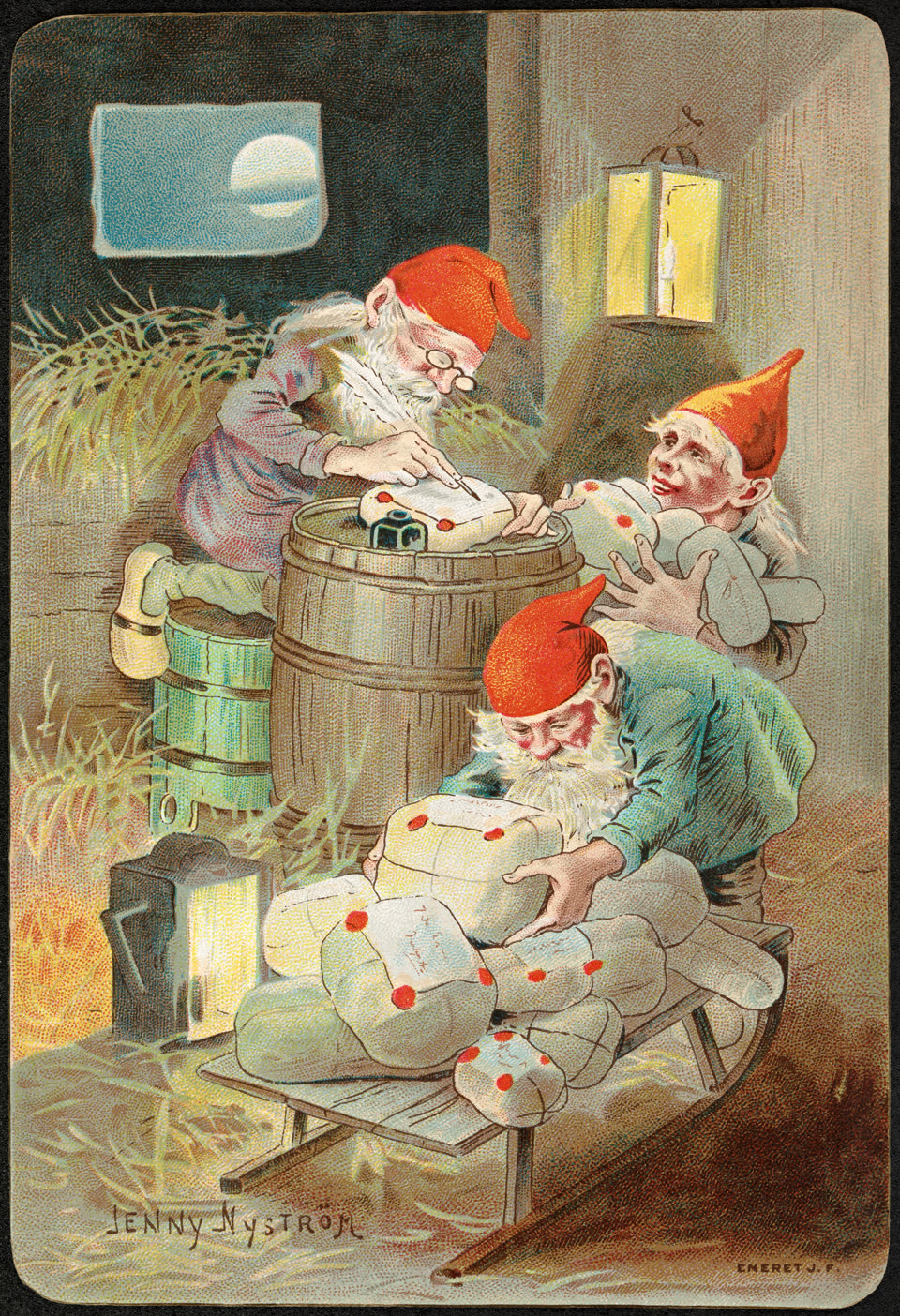
Isof's own archive shows how recent the doorstep tomte is. A woman born in 1914 in Dalby, Skåne, told the archive in 1991 that the jultomte was only talked about in her childhood home, that the first time she saw him pictured was when she started school in 1921, and that he never came into her own home either. It is her sons-in-law who now dress up and hand the presents out.
Jultomten — Väsengalleriet — Institutet för språk och folkminnen (Isof), the Swedish government agency for language and folklore
How Christmas is kept
The day Sweden keeps Christmas is not a public holiday
Swedish law names two days of Christmas, the 25th and the 26th, and it does not name the 24th. Julafton is when the food is eaten, the presents are opened and the television is watched — and in the statute it is an ordinary day. The reason it became the big day is older than the law: before the Reformation the night before a feast was kept as a vigil, and when Sweden turned Protestant the vigil was folded into the feast, so Christmas Eve and Easter Eve became holidays in their own right.
At three o'clock on Christmas Eve, the country watches Donald Duck
At 15.00 on the 24th a large part of Sweden sits down in front of the television to watch Kalle Anka och hans vänner önskar God jul — a bundle of Disney cartoons, broadcast first on Christmas Eve 1960 and every Christmas Eve since. The state folklore institute describes it without irony as one of the most important rituals of the evening, which it is: the presents wait until it has finished.
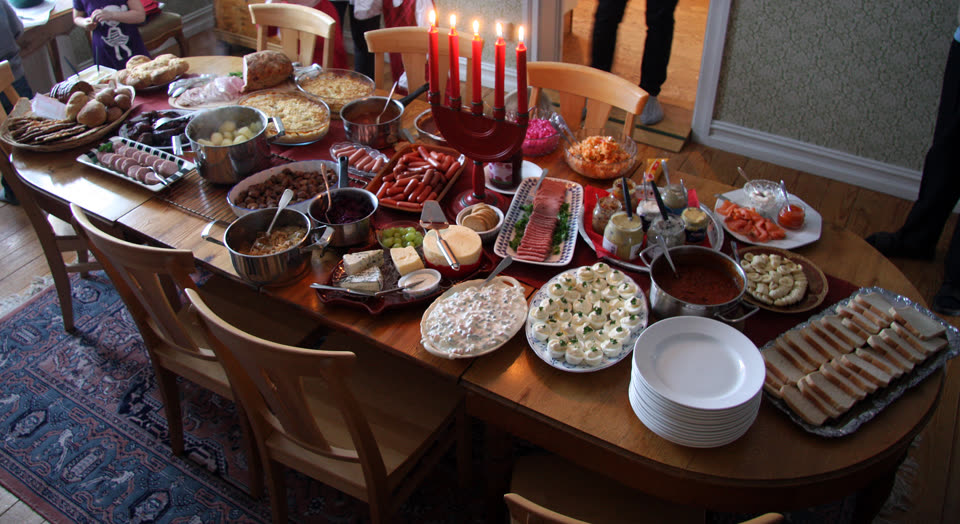
The Christmas table is laid in two halves and the reason is five hundred years old. Fish and bread — lutfisk, pickled herring, salmon — belong to the fast that ran up to Christmas; the ham and the sausages belong to the breaking of it, which could not happen until Christmas Day. The fast is long gone and both halves are now on the same table on the 24th, and the fish is still there.
Christmas peace ran from 21 December to 13 January, and the last day sweeps it out
The old Swedish Christmas was not twelve days but twenty-four. A julfrid — a Christmas peace — began on Saint Thomas's day, the 21st of December, and held until Saint Knut's day on the 13th of January. Knut is the one that stuck: tjugondag Knut, the twentieth day, is still when the tree goes out, and the saying is that Knut sweeps Christmas out. In farming Sweden the last day was a party to finish the Christmas food before the winter work started, with people dressing up and going round the farms to beg for what was left.
The tree and the Advent candlestick are German imports of the 1800s
Two of the things most people would name as Swedish Christmas are borrowed, and recently. The Christmas tree and the Advent candlestick came into Swedish homes from Germany during the nineteenth century — early enough to feel immemorial, late enough that the folklore archive has photographs of some of the first ones. One of them shows a tree at Järpås in Västergötland some time between 1885 and 1895.
Before the calendar changed, Lucia's night was the longest of the year
Saint Lucy's day is the 13th of December and the reason is arithmetic that stopped being true in 1753. Under the old calendar the night between the 12th and the 13th was reckoned the longest of the year, and the Christmas fast began on it. It was also held to be dangerous: the animals could talk, and you were not to grind, spin or brew. Driving a knife into the stable wall was supposed to keep the worst off the farm. The calendar reform moved the solstice to around the 21st and left Lucia where she was.
The presents used to be handed out by a man dressed as a goat
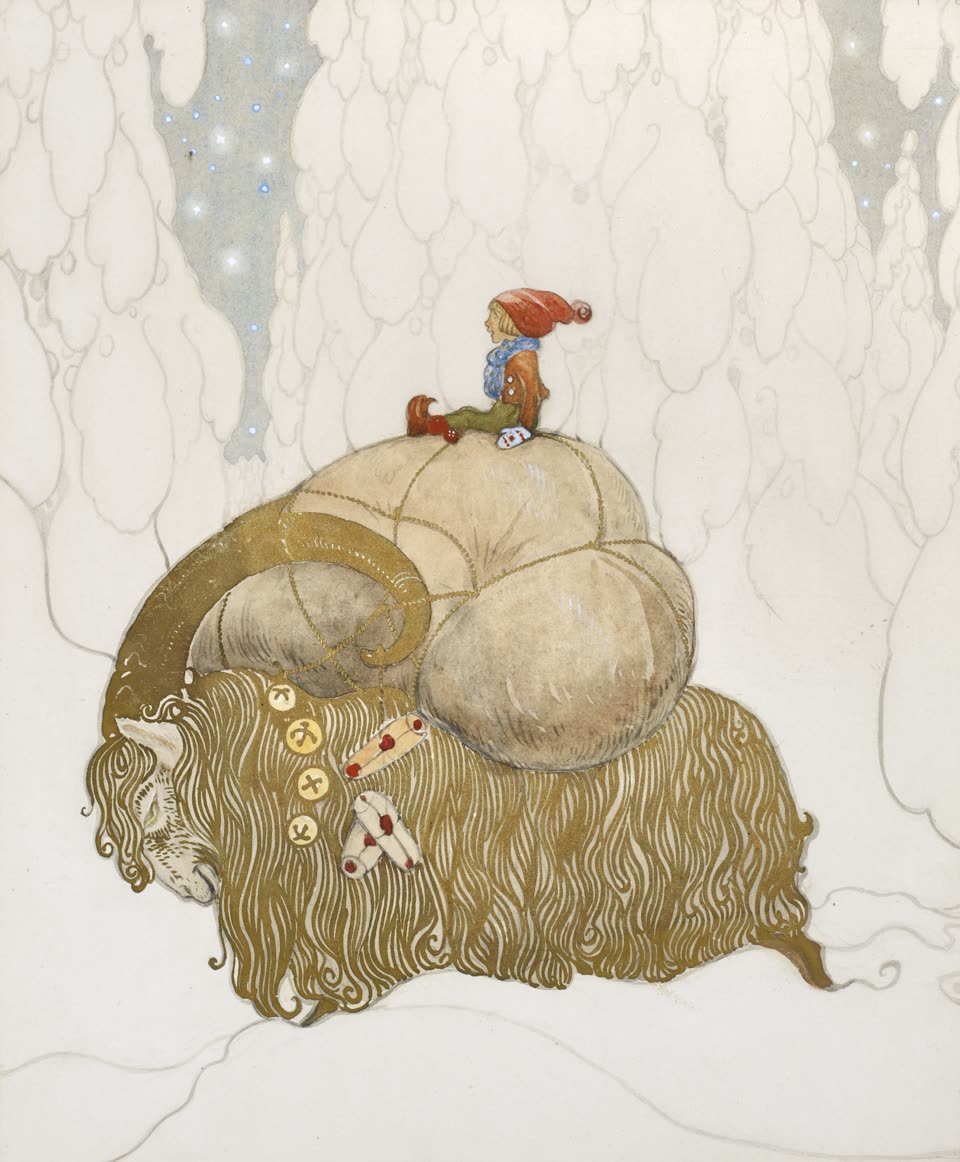
Before the jultomte there was the julbock. In the grand households of the eighteenth century the person who gave out the presents was dressed as a goat — and the museum that keeps the record of it says plainly that this was a fairly frightening creature. The goat is a figure of evil; what makes it contradictory is that it comes down from Saint Nicholas, who appeared in the medieval mystery plays of 6 December with a goat on a leash, the goat standing for the Devil and the saint symbolically taming it. In the seventeenth and eighteenth centuries the giver was either that goat or a figure resembling the farm tomte. The tomte took the job over at the end of the nineteenth century, and the goat shrank: what is left of him is the straw ornament on the table.
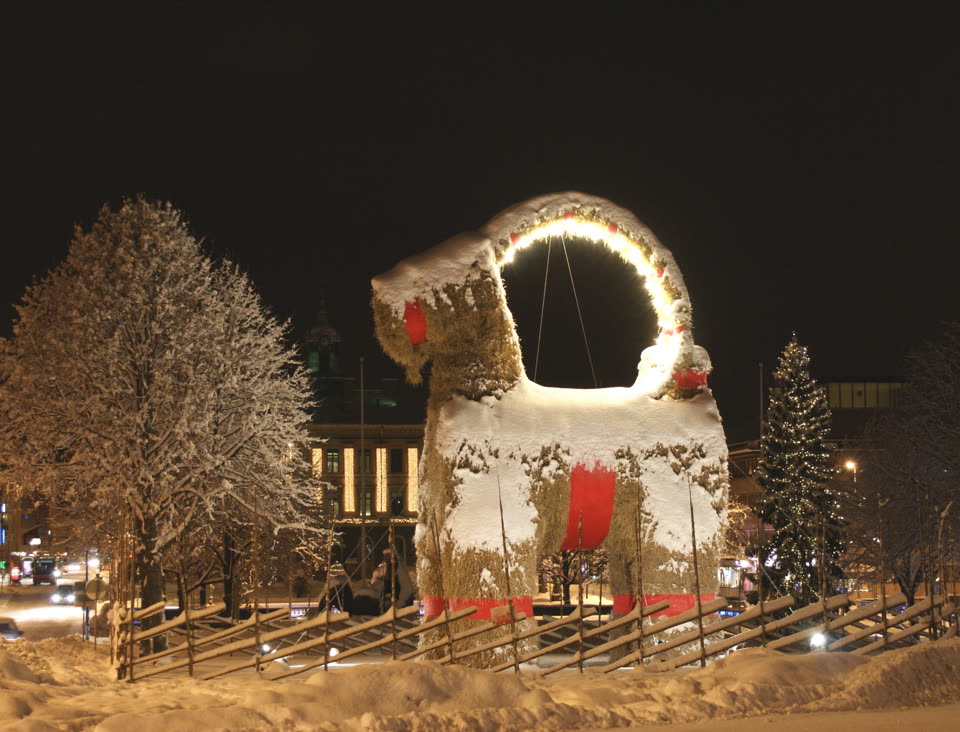
The giant straw goat in Gävle was a shopping promotion, and it keeps burning down
Ten metres of straw julbock stands on the Rådhusesplanaden in Gävle from the first Sunday in Advent, and it is the most-reported Swedish Christmas object in the world. It is also the youngest of these customs, and it was built to sell something. The idea was born in 1966 — at a café, by a man named Stig Gavlén — to pull people to the Söder district of the town over Christmas, and the first goat went up on 1 December 1966. What it has been famous for ever since is being destroyed: the city's own visitor organisation keeps a notice ready for when the goat has fallen, apologising to the people of Gävle and to fans around the world, and noting that nobody was hurt. The 2026 goat is the sixtieth.
The church service that matters is at dawn on Christmas Day, not at midnight
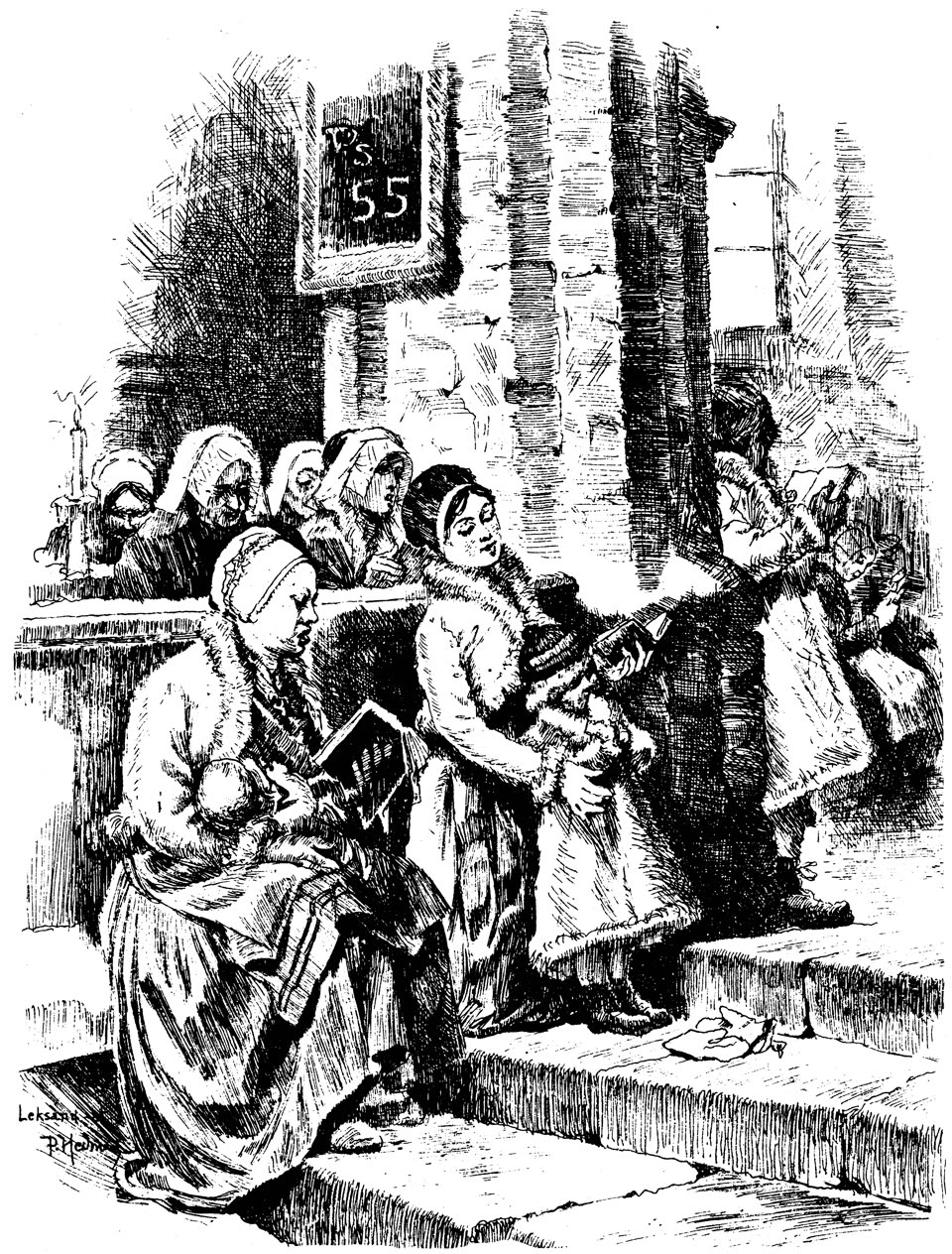
For a country that does everything on the Eve, the Christmas service runs the other way. The Church of Sweden's own account of the Christmas weekend puts a julbön — a Christmas prayer with singing, a reading of the Christmas gospel and a sermon — on the afternoon of the 24th, often with a gathering at the crib where children and adults build it together. The midnight mass falls in the night between the Eve and the Day. And then there is julotta, celebrated early on Christmas morning, which is the old Swedish one: you have already eaten, opened everything and watched the television, and you get up in the dark anyway.
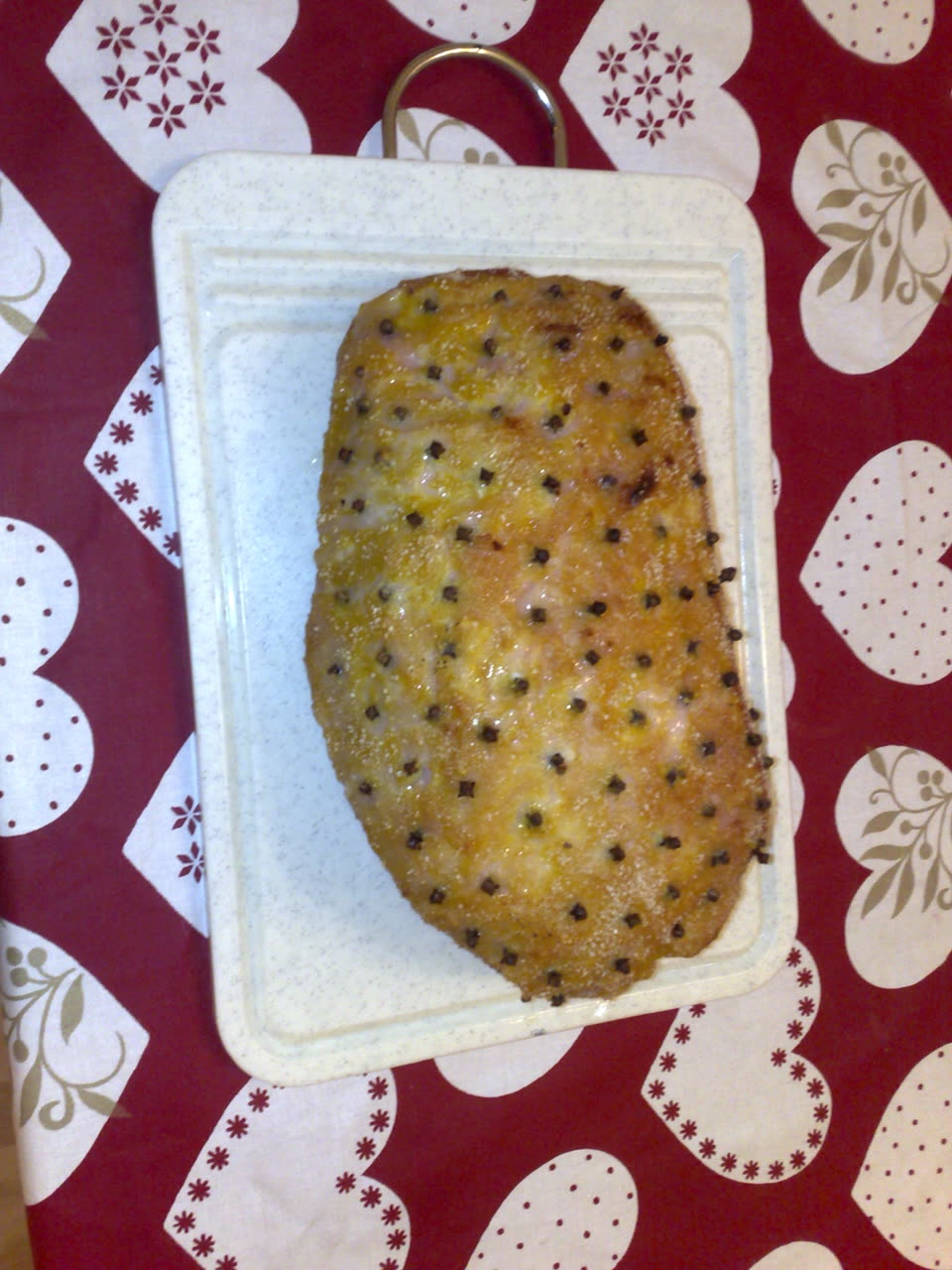
The centre of the julbord, and historically the thing you were not allowed to eat yet. Heavy, meaty food belonged to the breaking of the Christmas fast on Christmas Day; the ham has since moved forward onto the Eve with everything else, and nobody waits.
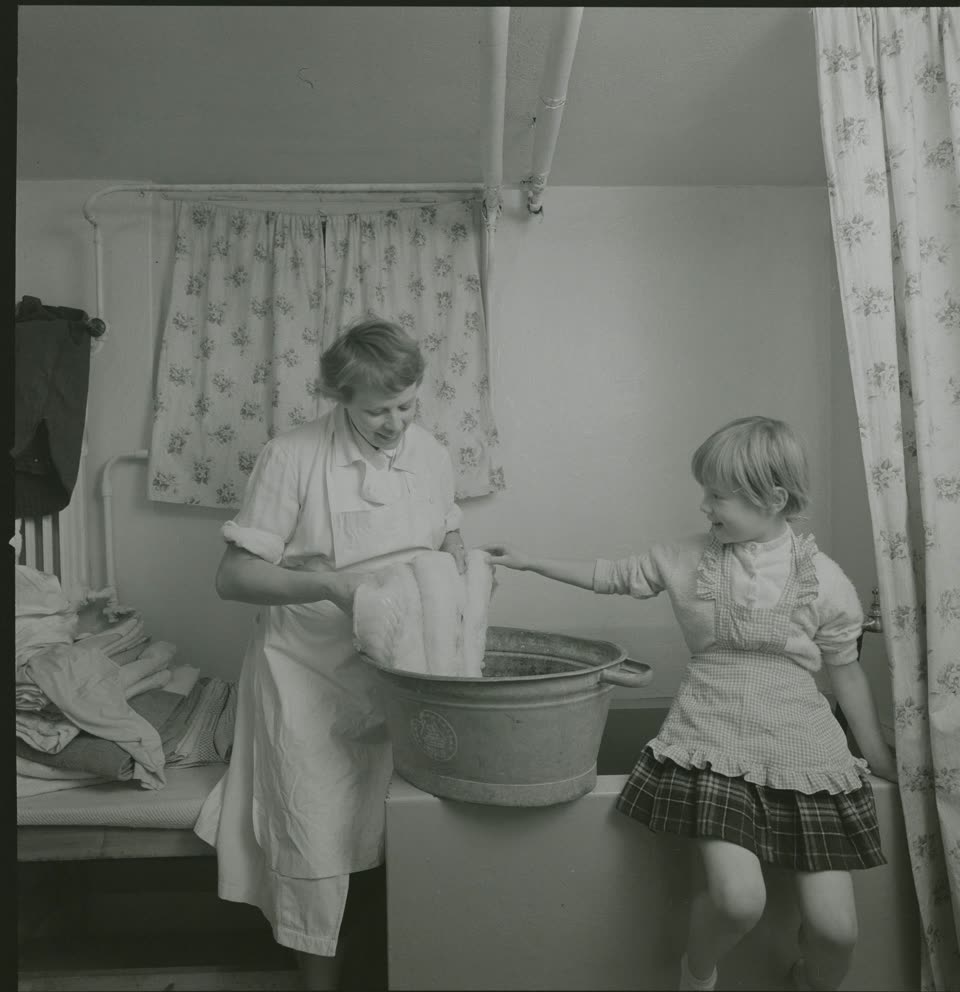
The fish of the fast, and the dish that outlived it. Lutfisk belonged to the weeks before Christmas rather than to the feast, and it is still on the julbord several centuries after the fast that required it stopped being kept. Its name is literally what it is: lut is lye, so this is lye fish.
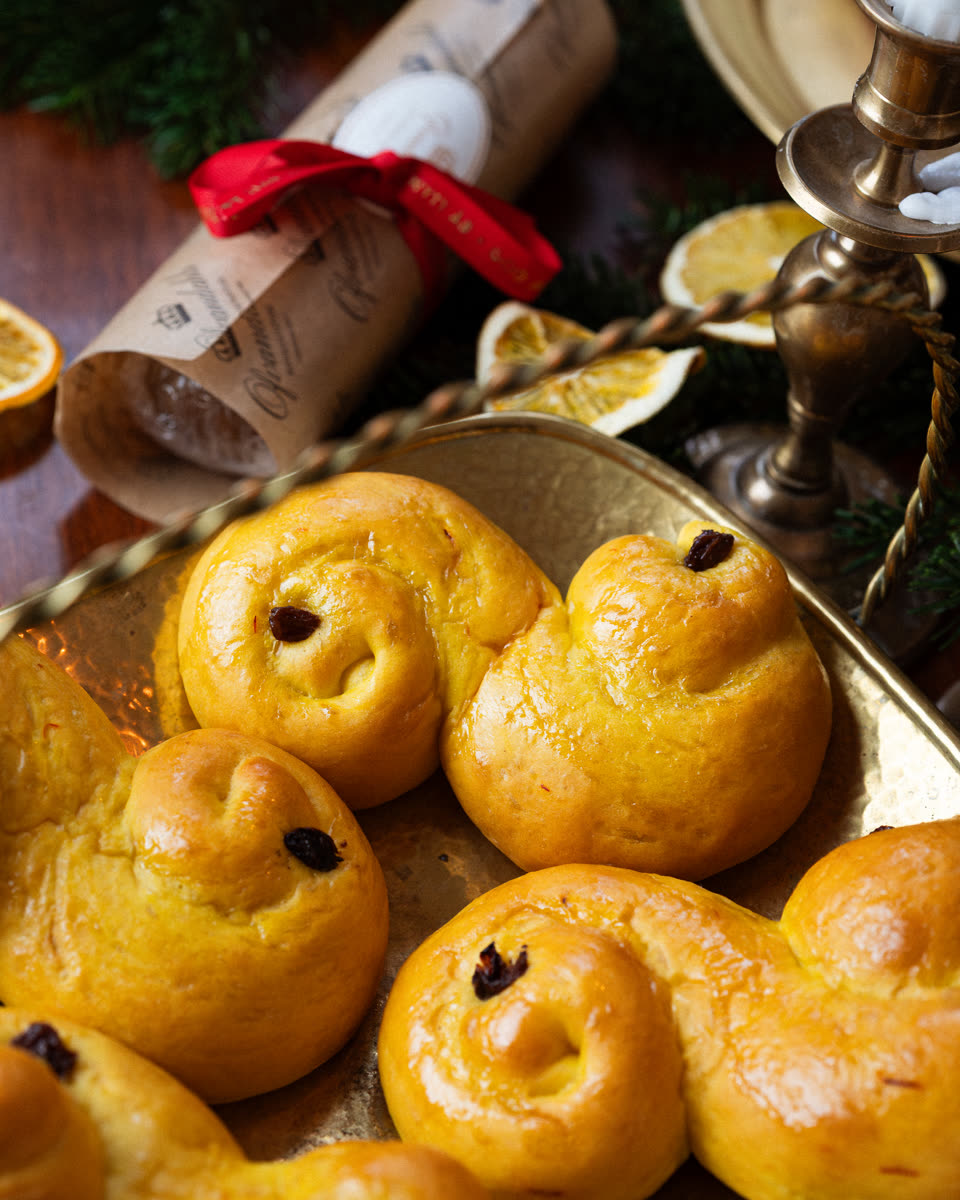
Saffron buns, eaten around the thirteenth of December, and almost nothing about the name means what it looks like. In Holland and northern Germany there is a sweet yeasted wheat Christmas bread called duivekater, which the Dutch probably exported to Gothenburg in the sixteen-hundreds. In Swedish the word came out sounding like dyvelskatter or djävulskatter — devil's cats — and the museum that keeps the record of it says the word probably has nothing to do with cats or with devils at all. When the buns attached themselves to 13 December they were renamed lussekatter. The S-shape is now the usual one, and the saffron is the newest part of all: it only came in at the end of the eighteen-hundreds.
Widely repeated claims about Christmas in Sweden that do not survive
checking. Each one says what is actually the case, because a correction
with nothing in its place leaves you worse off than before.
Oversimplified
The Lucia procession — the girl in white with candles in her hair, leading a line of singers — is an ancient Swedish midwinter tradition.
What is actually the case. The light-bearing Lucia came into Swedish folk tradition late. Isof's own summary is that she «entered folk tradition quite late in our history», and that she was kept from the eighteenth century as a legendary saint in manor houses in western Sweden before she was kept anywhere else. What is genuinely old is the night rather than the procession: lussenatt was the longest night of the year under the pre-1753 calendar, the start of the Christmas fast, and a dangerous night when animals could speak. And what young people did on it was not process in white — they dressed up, sometimes as the opposite sex, and went round the cottages in a troop singing and begging food and drink.
Julafton, the 24th of December, is Sweden's Christmas public holiday.
What is actually the case. It is not a public holiday at all. The Act on public holidays lists Christmas Day and Boxing Day — juldagen den 25 december, annandag jul den 26 december — along with Epiphany and nine other days, and 24 December is nowhere in it. Most Swedes are free that day anyway, and the mechanism is neither the statute nor a right: many workplaces simply treat it as a non-working day, and where they do not, the central collective agreements say that paid short leave should be granted for it — if it can be done without inconvenience to the business. Sweden's biggest white-collar union puts Christmas Eve in the same sentence as Easter Saturday and Midsummer Eve on exactly those terms. It is a convention held up by agreements and workplace policy, which is a different kind of arrangement from a day named in law.
The Christmas tree is an old Nordic custom that Sweden gave to the world.
What is actually the case. Sweden imported it. The folklore institute is plain that the modern Christmas tree and the Advent candlestick were borrowed into Swedish homes from Germany during the nineteenth century, which is recent enough that the archive holds photographs of early ones — a tree at Järpås in Västergötland between 1885 and 1895. The oldest written record of a Christmas tree anywhere is an account-book entry of 1521 in Alsace, three hundred years before and a thousand miles south.
The Christmas stocking hung up on Christmas morning is a Swedish tradition.
What is actually the case. It is English, and recent. The practice of hanging up a stocking with a small gift in it on the morning of Christmas Eve spread in Sweden during the twentieth century, and the national museum of cultural history says in as many words that it entirely reflects an Anglo-Saxon gift tradition. What is Swedish about the Swedish Christmas Eve is the jultomte arriving in person at the door with a sack, after three o'clock and after the lunch.
Lussekatter are called cats because of their curled-up shape, or because the devil appeared as a cat and the saffron's yellow kept him off.
What is actually the case. The likeliest account has nothing to do with either. The name appears to come from duivekater, a sweet yeasted wheat Christmas bread from Holland and northern Germany, probably brought to Gothenburg by Dutch traders in the sixteen-hundreds — a foreign word that landed in Swedish ears as dyvelskatter, devil's cats, and acquired a story to match. Sweden's national museum of cultural history says the word probably has nothing to do with cats or devils. The buns took the name lussekatter when they attached themselves to 13 December, and the saffron that the devil-repelling story depends on only came into use at the end of the nineteenth century.
A Christmas present in Swedish is a julklapp — a Christmas knock. The word comes from an older custom: you knocked on somebody's door, threw a joke gift inside, and ran, so that the present arrived anonymously and the knock was the whole announcement. The practical joke has gone and the word stayed.
The food was left out overnight because the dead were expected. Sweden's folklore archive holds accounts of people who would not clear the Christmas Eve table, so that the dead who walked that night would see they had not been forgotten. A woman born in 1871 in Värmland remembered a neighbour who never dared sleep in her own cottage on Christmas night.
Sweden keeps the eve rather than the day, and the reason is a reckoning rather than a preference. In the Nordic countries the celebration generally falls on the aftan, and the national museum of cultural history traces that to the way the hours of the day were counted several hundred years ago. The Church of Sweden gives the hour: the feast begins at six o'clock on the evening before the holy day, by the old reckoning, which is why Swedish Christmas starts on the 24th. In the farming society that preceded industry, julafton was the most solemn day of the year — the house cleaned, the tools put in order, the work finished.
Every claim carries its own citation. They are collected below, so you
can see what the page rests on and how much of it comes from where.
Julafton — Lär dig mer om årets namn och händelser — Institutet för språk och folkminnen (Isof), the Swedish government agency for language and folklore. Retrieved 2026-10-17. archived 7 February 2026The greeting is on the page twice over: in the title of the television programme the whole country watches, «Kalle Anka och hans vänner önskar God jul», and inside an archive account from a man born in 1861 in Bohuslän — «När vi tog supen till fisken, så skålade vi med varandra och önskade god jul.»The respelling is an approximate English guide rather than a sourced transcription, and the one thing an English speaker gets wrong is worth saying: jul is not «jule» but closer to «yool», with the j as in yes.
Jultomten — Väsengalleriet — Institutet för språk och folkminnen (Isof), the Swedish government agency for language and folklore. Retrieved 2026-10-18. archived 7 December 2025On what he is made of: «Den glada och fryntliga jultomten är en säregen mix av folktrons gårdstomte, den engelska Father Christmas, julbocken och helgonet Nicholaus.»On when he took the job: «I dag är det självklart att det är jultomten som delar ut julklapparna, men under 1800-talet var det julbocken som hade det uppdraget.» And: «Jultomten som julklappsutdelare dök upp i Sverige runt tiden för det förra sekelskiftet.»That account runs «He is descended from the tomte, the farm spirit who lived under the floor», which is the story everybody tells and is not what the agency holding the archive says: «Jultomten är en helt annan figur än den äldre folktrons vresiga tomtegubbe». The resemblance is traced to an illustrator rather than to a lineage: «Att de båda tomtarna har en del gemensamma drag beror mycket på konstnären Jenny Nyström som under första hälften av 1900-talet tecknade många motiv av julen, och bland dessa fanns ofta små tomtar som var inspirerade av folktrons tomtegubbe.»The archive account, ULMA 36091, told in 1991 by a woman born 1914 in Dalby, Skåne: «Jultomten talades det något om i mitt barndomshem» … «Första gången jag såg jultomten avbildad var nog när jag började skolan 1921» … «I mitt eget hem kom inte tomten in heller» … «Men när våra döttrar gift sig och fått barn bruka våra svärsöner gå tomte.»
Tjugondag Knut — Lär dig mer om årets namn och händelser — Institutet för språk och folkminnen (Isof), the Swedish government agency for language and folklore. Retrieved 2026-10-17. archived 26 June 2026«Det sägs att det är tjugondag Knut som städar julen ut och att helgonet Knuts dag, som infaller den 13 januari, markerar slutet på julens många högtidsdagar. Med julens sista dag var också julfriden som rått sedan Tomasdagen den 21 december över.»And the party: «Innan en ny arbetsperiod fylld av vinterarbeten tog vid i bondesamhället skulle julen nu firas av ordentligt. Man fick äta upp det som fanns kvar av julmaten och det kunde bli ett riktigt kalas. Man kunde också klä ut sig för att gå runt i gårdarna och tigga godbitar.» The rhyme on the page is «Tjugondag Knut dansas julen ut», and the dressing-up custom is called Knutmasso, which the page says survives in places — it illustrates the point with a photograph of Knutsmasso at Gimo in Uppland in 2012, from Isof's own collection.
Lucia — Lär dig mer om årets namn och händelser — Institutet för språk och folkminnen (Isof), the Swedish government agency for language and folklore. Retrieved 2026-10-17. archived 22 September 2026«Det var först med kalenderreformen 1753 som vintersolståndet flyttades till dagarna runt Tomasmäss den 21 december. Innan dess ansågs natten mellan den tolfte och den trettonde december vara årets längsta. I katolsk tid inleddes även julfastan denna dag.»And the danger: «natten till den trettonde december inte bara ansågs vara årets längsta, den betraktades också som farlig. Då kunde djuren tala och många onda krafter ansågs vara i rörelse. Det var viktigt att inte mala, spinna, brygga eller utföra något annat känsligt arbete. Genom att köra in en kniv i stallväggen hoppades man att stålet skulle skydda gården mot mycket av det onda.»These are the agency's summaries of its own folklore collections, and the page says so — «Våra folkminnesuppteckningar berättar».
Julbocken – en skrämmande föregångare till jultomten — Institutet för språk och folkminnen (Isof), the Swedish government agency for language and folklore. Retrieved 2026-10-18. archived 14 March 2026The first time the julbock is seen in Sweden handing out Christmas presents — as a figure who knocks and throws the gifts into a house — is 1807, at a manor house in Alingsås, Västergötland: «Första gången vi ser julbocken som en utdelare av julgåvor i Sverige, då som en figur som klappar på och slänger in julgåvor i ett hus i Sverige, är från 1807. Då sägs det ha skett på en herrgård i Alingsås i Västergötland.»The museum puts the costumed present-giver in grand households «under 1700-talet»; the folklore agency's earliest attestation of that role is 1807.On Saint Nicholas and the rope, independently of the museum: «Nikolaus tänktes dela ut gåvor på sin dag och hade i sitt sällskap en till bock utstyrd person. Denna bockfigur höll han bunden i ett rep. Denna bock var en symbol för Djävulen.»Goat-mummers are attested in Sweden from the sixteen-hundreds, collecting for the poor until the collections went on drink; on 18 December 1786 the mayor of Kungälv issued a proclamation against the practice, with a fine of 10 daler silvermynt, calling for it to «blifwa förbuden och afskaffad». Stockholm's magistrates' court issued a «Publication Angående Den så kallade Jul-Bocken», and Karlskrona did the same in 1754 and again in 1818 — a ban reissued sixty-four years later being the best evidence that the first one failed.
Julafton — Utforska / Högtider — Nordiska museet, Sweden's national museum of cultural history. Retrieved 2026-10-18. archived 24 August 2026Nordiska museet prints the same hour and the same year: «Många familjer äter jullunch före ”Kalle Ankas jul”, som TV sänt klockan tre sedan 1960.»
Lucia — Utforska / Högtider — Nordiska museet, Sweden's national museum of cultural history. Retrieved 2026-10-18. archived 10 July 2026«I Holland och norra Tyskland finns ett jäst sött julbröd av vete kallat duivekater, som troligen exporterades till Göteborg av holländare på 1600-talet. På svenska lät det som ”dyvelskatter”, ”djävulskatter”. Troligen har ordet varken med katter eller djävlar att göra. När bullarna knöts till den 13 december bytte de namn till lussekatter. Idag är S-formen vanligast. Saffranet började användas i slutet av 1800-talet.»«troligen» twice — probably exported, probably nothing to do with cats or devils.
Välkommen i jul — Årets högtider — Svenska kyrkan, the Church of Sweden. Retrieved 2026-10-18. archived 11 May 2026«Traditionellt har många församlingar julbön med sång, läsning av julevangeliet och predikan. Eller en samling vid julkrubban, som är en andakt eller familjegudstjänst där barn och vuxna tillsammans förbereder julkrubban.»«Natten mellan julafton och juldagen firas det en midnattsmässa i många kyrkor.»«Tidigt på juldagens morgon firas julotta och även på förmiddagen firas gudstjänst.»
Lag (1989:253) om allmänna helgdagar — Sveriges riksdag, Svensk författningssamling. Retrieved 2026-10-17. archived 19 April 2026Section 2 gives the dates: «juldagen den 25 december» and «annandag jul den 26 december». Epiphany is in there too — «trettondedag jul den 6 januari» — which Sweden keeps and most of Germany does not.
Dag före röd dag och dag före helgdag — Unionen, Sweden’s largest trade union for private-sector white-collar workers. Retrieved 2026-10-20. archived 12 June 2026«Enligt lagen finns det ingen rätt att jobba halvdag dag före röd dag (exempelvis skärtorsdagen eller valborgsmässoafton) eller att vara ledig på klämdagar... Under dag före röd dag och klämdagar gäller alltså normal arbetstid, om inget annat är reglerat i en policy på arbetsplatsen» — and on how the right arises where it does: «Ofta är det fackklubben på arbetsplatsen som har förhandlat fram sådana förmåner i ett lokalt avtal och som därmed bara gäller på just den arbetsplatsen.»
Permission – kort ledighet med lön — Unionen, Sweden's largest white-collar trade union. Retrieved 2026-10-18. archived 16 June 2026«Om påskafton, midsommarafton och julafton inte redan är lediga dagar på din arbetsplats bör permission beviljas för de dagarna, om det kan ske utan olägenhet för verksamheten.»It read «Swedes are nonetheless almost all free that day, under collective agreements rather than under the statute», with nothing opened on the employer or union side. They say permission — short paid leave — BÖR, should, be granted, and only «om det kan ske utan olägenhet för verksamheten».Unionen's other page is the one that names where the rules usually live: «I Unionens centrala kollektivavtal finns det regler om rätt till permission (kort ledighet med lön) vissa aftnar. Oftast gäller det midsommarafton, julafton och nyårsafton, om det inte redan är lediga dagar på arbetsplatsen.»
Gävlebocken — Gävles strålande julsymbol — Visit Gävle, the City of Gävle's own visitor organisation. Retrieved 2026-10-18.«Från första advent lyser den tio meter höga Gävlebocken upp Rådhusesplanaden i Gävle»On the commercial origin, which is the part the folklore framing loses: «Gävlebockens historia går tillbaka ända till 1966, då idén om en stor halmbock föddes för att dra folk till Söder under julen. Första bocken sattes upp den 1 december 1966.» And on where: «Det var på Café Lido den började. Stig Gavlén, skaparen till Gävlebocken»The page carries «Vi beklagar att vår Gävlebock har rasat. Ingen person har skadats» and «Gävlebocken mötte återigen sitt öde då han blev utsatt för ett attentat.» Between seasons the page carries both «tack för i år!» and a live broadcast announced for 28 November, so those destruction notices are the previous season's.The sixtieth anniversary is arithmetic: «Den första Gävlebocken restes 1966» together with «Inför 60-årsjubileet», which places the jubilee at Advent 2026.