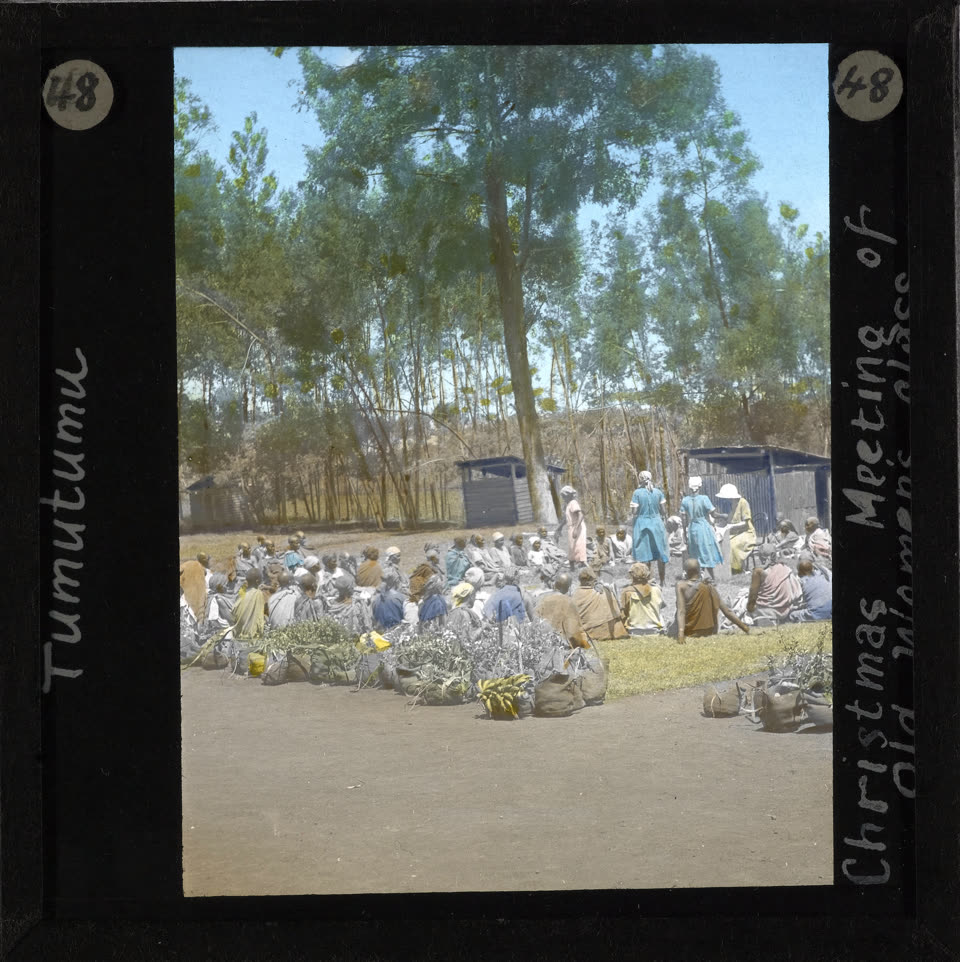
Christmas Day in Kenya is 25 December. It is a public holiday.
How to say it
Swahili
Krismasi njema
Krismasi njema
A synthesised voice — not a recording of a person — saying Krismasi njema
in sw-KE.
Literally a good Christmas. The same greeting serves Tanzania, because the language does: Kiswahili is official in both, and the Christmas word in it is a borrowing from English that the grammar then takes over - njema is an ordinary Swahili adjective agreeing with the borrowed noun.
The cities empty into the countryside, and the fares know it
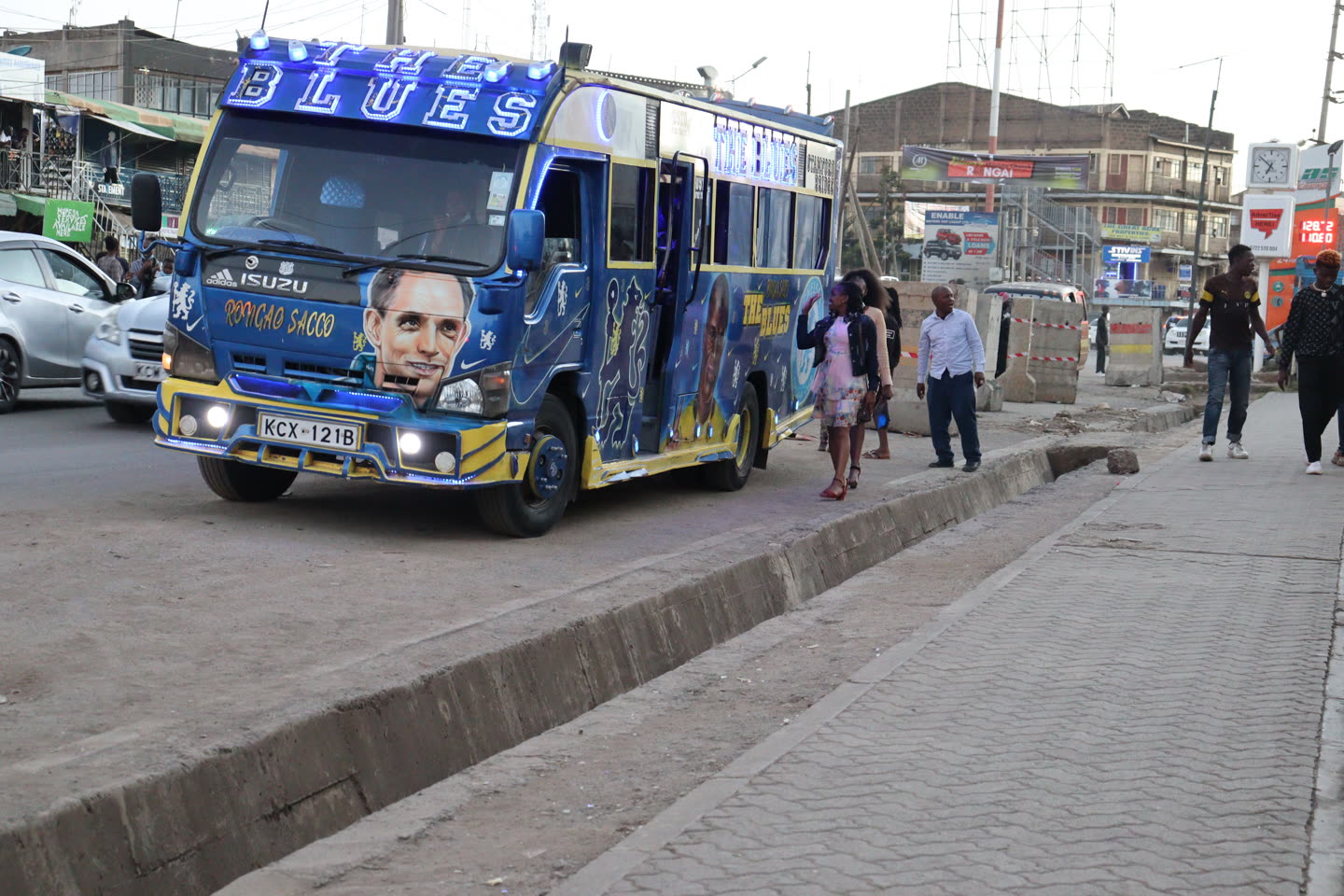
From about the 21st of December Kenya moves. Offices close, the bus stations and matatu stages fill, and the roads out of Nairobi run one way, towards the rural homes families came from - going upcountry, ushago. The fares answer the demand and nobody pretends otherwise: a seat to Meru that costs 600 or 700 shillings in an ordinary week is 1,500 from the 21st and 1,600 to 1,800 by Christmas Eve. Nairobi to Nakuru, three hours, goes from 350 to 800.
The people who stay in the city pay for the exodus too
The surge does not only tax the travellers. City matatus abandon their ordinary short routes to chase the long-distance money, so the supply collapses on the runs that people who are not going anywhere still need, and those fares rise as well. The seventy-shilling hop from town is the first thing to disappear.
A generation of urban parents is keeping Christmas at home instead
The exodus is strong enough to double the fares and it is being walked away from at the same time. Parents in their thirties who were themselves driven upcountry and collected afterwards are keeping their children with them, letting them choose the food and the clothes, and meeting the extended family at other times of the year. They can say what it costs: the cousins do not know each other, and the rural rhythm that shaped their own childhoods is not being passed on.
The night vigil is called kesha, and the bell at midnight is cheered
The day begins the night before, with a vigil - kesha - of hymns and carols. Children act the Nativity, and when the bell goes at twelve the church cheers. Most of the congregation is back the next morning for the day itself, and the children are in new clothes for it.
Where a northern household buys a pine, a Kenyan one is more likely to put up a cypress - the tree that actually grows there, planted in hedges and windbreaks across the highlands.
The same December holds a hotel dinner at fifteen thousand shillings a plate and households for whom that is unimaginable, and Kenyan papers write about the gap on the day itself rather than afterwards.
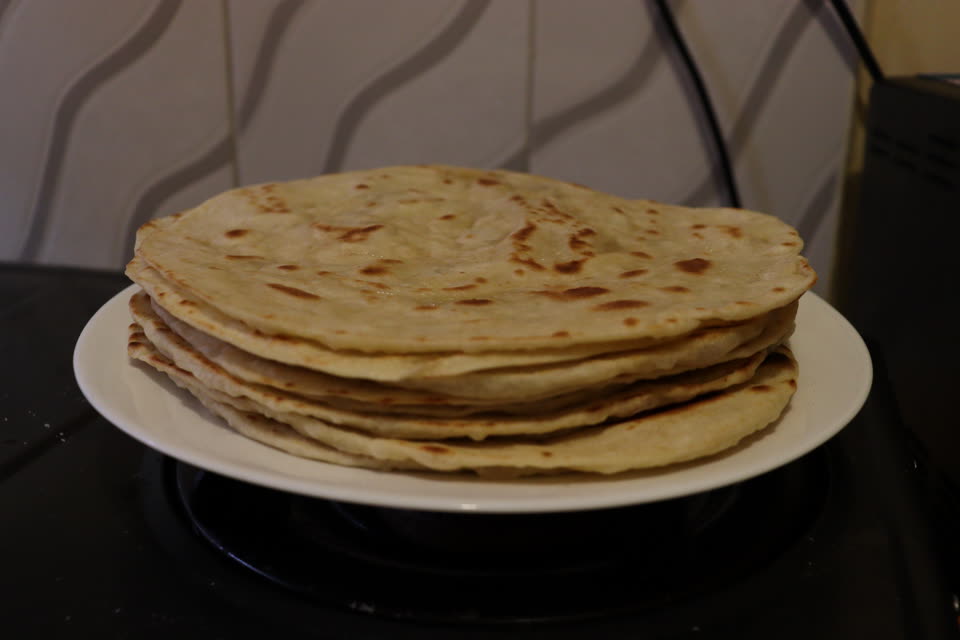
The flatbread that used to mean something. Chapati was the marker of a special occasion, made for Christmas and little else; it is now sold at every kiosk in the country, and Kenyan writers use that change as the measure of what has happened to the day.
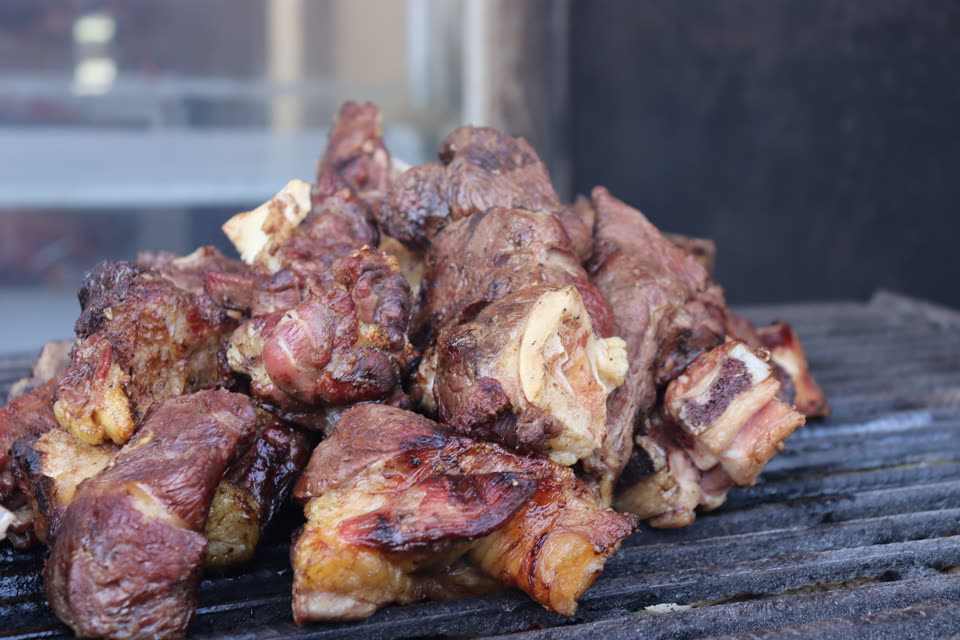
Roast meat, usually goat, grilled over a fire and eaten with ugali and a tomato and onion salad. The cooking is the gathering: it is slow, it happens outdoors, and people stand around it while it goes on.
Widely repeated claims about Christmas in Kenya that do not survive
checking. Each one says what is actually the case, because a correction
with nothing in its place leaves you worse off than before.
Contested
26 December in Kenya is Boxing Day.
What is actually the case. The day is a public holiday whichever name is used, and the name is genuinely unsettled. Kenya renamed Boxing Day to Utamaduni Day - utamaduni means culture - in a 2019 round of renamings, and both names stayed in circulation afterwards, including in sources that look official. The confusion is made worse by the name travelling: Utamaduni Day was also attached for a time to the October holiday, which was then renamed again, to Mazingira Day.
Father Christmas brings Kenyan children their presents.
What is actually the case. He is a city figure rather than a national one. The only account reached that addresses him at all puts him in Nairobi and Mombasa and says he is not much of a presence in rural Kenya - which is where most of the country spends the day, because most of the country has gone there.
What is actually the case. It is the dominant pattern and the fare data shows its scale. It is also being abandoned by a measurable number of urban families who can explain exactly why, and who are raising children with no experience of the rural Christmas at all. A description that has only the buses leaving is a description of the Kenya of ten years ago.
Kenya counted its Christians and got a number most countries would envy: 85.5 per cent at the 2019 census, against 11 per cent Muslim. The same census found 755,000 people who said they had no religion at all. Next door, Tanzania has not asked the question since 1967.
Kenya's third December holiday is counted, and the count settles an argument. Jamhuri Day falls on 12 December, and the Office of the President called the 2024 one the sixty-first - which puts the first in 1963, the year of independence. Jamhuri is Swahili for republic, and Kenya became one on 12 December 1964, the same date a year later. One day, two anniversaries, and most accounts pick one and attach the wrong event to it.
Public Holidays Act (Cap. 110) — National Council for Law Reporting (Kenya Law), the official law database of Kenya. Retrieved 2026-11-14.Kenya's public holidays are set by the Public Holidays Act, which Kenya Law carries under the citation «Cap. 110» in a version dated «31 December 2022». The database serves the Act's identity and its original enactment and not, at the moment, the consolidated text: against the body of the Act the page returns «This feature is not currently available.»
Why we are skipping upcountry travels and family gatherings this Christmas — Ndugu Abisai, Daily Nation, Nairobi, 9 December 2025. Retrieved 2026-11-14.Faith Mumbi, a 36-year-old banker in Thika, on the shift: «Growing up, the holiday only became meaningful when our family travelled to our grandmother’s place. Now I believe that Christmas can just start in the house.»On why: «I didn’t get to experience Christmas with my parents. So, with my kids, I’m making sure we do it together.»And on the cost of it, which she names herself: «Our kids barely know their cousins. They see each other briefly, and that bond isn’t as strong.»
Speech during the 61st Jamhuri Day celebration — Office of the President of the Republic of Kenya. Retrieved 2026-11-14.The presidency's own title for the 2024 address: «DURING THE 61ST JAMHURI DAY CELEBRATION», with the previous year's filed as «DURING THE 60TH JAMHURI DAY CELEBRATIONS».
The agony of Kenyans travelling through Christmas — The Star, Nairobi, 24 December 2021. Retrieved 2026-11-14.The paper's own figures, route by route: «Matatu’s normally charge Sh600 or Sh700 for a 14-seater matatu and 10-seater matatu respectively. But during the holidays the fare skyrockets to a whole Sh1,500 from December 21 or 22. On the 24th they might charge Sh1,600 or Sh1,800 because they know how desperate individuals are to travel.»And the shorter run: «Nairobi to Nakuru, which is roughly a three-hour journey, people usually pay Sh350 but during this time frame the fare is set at Sh800 without any mercy or shame.»
2023 Report on International Religious Freedom: Kenya — United States Department of State, Office of International Religious Freedom. Retrieved 2026-11-14.The figures, as the report gives them: «According to the 2019 census (the most recent), approximately 85.5 percent of the total population is Christian and 11 percent Muslim.»The breakdown inside that, and the people outside it: «Nonevangelical Protestants account for 33 percent of the population, Roman Catholics 21 percent, and other Christian denominations 32 percent» and «According to the census, 755,000 persons self-identified as atheist or having no religion.»
Krismasi njema — Wiktionary, the Swahili entry. Retrieved 2026-11-14.The dictionary entry gives the phrase as an interjection and glosses it directly: «Krismasi njema ! merry Christmas !» It lists one synonym, «heri ya Krismasi», which is the other form in common use and means the blessings of Christmas.