No. 25 December is an ordinary working day in North Korea. Observance of it is restricted. 【본지입수】 北, 2026년 공휴일 17일···일요일 포함땐 67일 — 시사주간 (Sisa Weekly), Seoul, 2 January 2026, by Yang Seung-jin
The 24th of December belongs to Kim Jong Suk and to Kim Jong Il's appointment as supreme commander
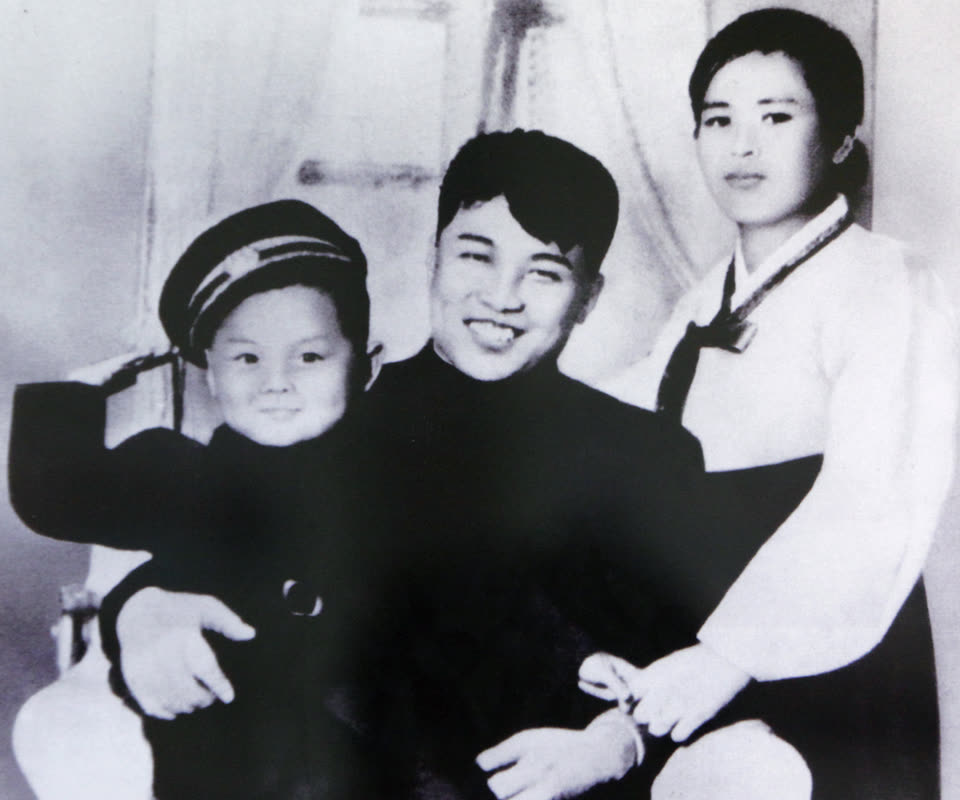
Christmas Eve is a date in the North Korean calendar, for other reasons. It is the birthday of Kim Jong Suk, born in 1917, the wife of Kim Il Sung and the mother of Kim Jong Il; and it is the anniversary of Kim Jong Il being made supreme commander of the Korean People's Army in 1991. Yonhap, reporting the Rodong Sinmun's coverage on the day: «북한에서 12월 24일은 김정일 국방위원장이 최고사령관으로 추대된 날이자 김정일의 생모이자 김정은 국무위원장의 조모인 김정숙의 생일이다.»
Two commemorations that fall on the same day as somebody else's feast. Yonhap's own framing is that the bloodline anniversaries stand in place of Christmas; that framing is the paper's, and it is attributed to Yonhap rather than stated as fact.
Four churches are approved, and what is inside the Catholic one is not a Catholic Mass
The Associated Press, reporting from Pyongyang in 2016, counted the churches: «There are four state-approved Christian churches in Pyongyang — one Russian Orthodox, two Protestant and one Catholic.» It also looked inside. «Inside the Catholic cathedral are crosses, but no crucifixes. Weekly services feature hymns and prayers offered in a highly formalized manner, but there are no sacraments. State-appointed laymen lead the services, which are not sanctioned by the Vatican. The Protestant churches are reportedly largely unused.»
No priest, therefore no sacraments: what happens there is a service without the thing that makes it a Mass. The AP does not name the buildings. Press reports name three of them — Bongsu and Chilgol, both Protestant, and Jangchung Cathedral, also written Changchung — and the fourth, the Orthodox one, is named in Russian rather than in English.
State media reported Christmas services at two Pyongyang churches in 2019, and a South Korean wire read it as propaganda
In 2019 a website run by the North's Council for the Reconciliation of the Nation reported that Christmas services had been held at Bongsu and Chilgol churches on the day itself: «2019년 북측 민족화해협의회가 운영하는 사이트 '려명'은 크리스마스 당일 봉수교회와 칠골교회에서 성탄절 기념 예배가 진행됐다며…»
That is a state outlet reporting on a state church, and Yonhap says what it thinks the report was for: that the purpose appears to have been largely to advertise the system. The second half is Yonhap’s own assessment.
In 2018 the North sent the South a Christmas greeting on video, and it opened with the Olympics
The North Korean Council of Religionists — an association of five authorised religions — sent South Korean Christians a Christmas message on video in December 2018. It runs one minute thirty-eight seconds. It opens with photographs of the Pyeongchang Winter Olympics and of that year's inter-Korean summits, and then Kang Ji-young, the head of the council, reads: «I send congratulatory and peaceful greetings for Christmas to South Korean brothers and sisters.» A written message adds: «We hope North and South Korean religionists, who go hand in hand towards peace and unification, filled with blessings by Christ the Lord.»
In between are scenes of people at services in Jangchung Cathedral and Bongsu Church. The South's Unification Ministry approved the delivery, and the tape was handed to the Commission on Faith and Order of Korean Churches and shown at a Christmas concert at the Anglican cathedral in Seoul.
There are Christmas trees in Pyongyang, in the places that serve the elite and the foreigners
Trees, coloured lights and instrumental Christmas music are not hard to find in the capital, and they mean nothing in particular. The AP: «They aren’t especially hard to find in Pyongyang, especially in upscale restaurants or shops that cater to the local elite and the small community of resident foreigners.» A waist-high tree stood for years in the offices of the Koryolink mobile phone company. Instrumental versions of White Christmas and Let It Snow were in the dining-room rotation of one of the city's smartest hotels from at least the previous August.
Many of the trees stay up all year, which the reporter reads as the point: the decorations survive precisely because nobody connects them to anything. In the countryside, he writes, such displays are rare to nonexistent.
The Orthodox church was built on Kim Jong Il's decision, and its congregation is the Russian embassy
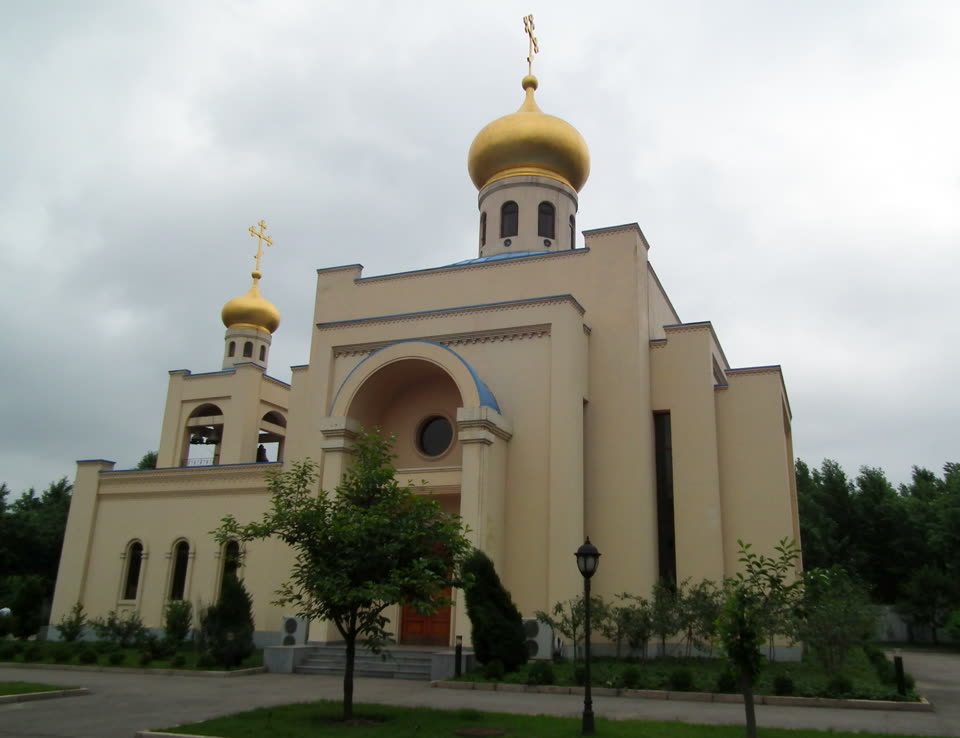
The Orthodox church the AP counted and did not name is the Holy Trinity, and the Russian embassy in Pyongyang describes it as built «as a symbol of Korean-Russian friendship by decision of the former leader of the DPRK Kim Jong Il». The ambassador of the day, Andrei Karlov, chose the site; embassy staff and their wives built and decorated it at their own expense together with Koreans and with money from donors in Vladivostok. The icons are Russian, the iconostasis is Russian, the bells came from Voronezh and a Moscow workshop painted the vaults.
In August 2006 relics of the Russian new martyrs were placed in its altar and it was consecrated by Metropolitan Kirill of Smolensk and Kaliningrad, who is now the Patriarch of Moscow. Its priests are North Koreans trained at theological schools in Moscow and Khabarovsk. And its congregation, on the embassy's own count, is ºbout 150 regular parishioners — all embassy staff and members of their families».
Foreign embassy staff went to the services, and some embassies hung lights
One reason Christmas is visible in Pyongyang at all is the diplomatic quarter. Yonhap reported in December 2022 that staff of foreign embassies in North Korea had attended Christmas Mass and services, and that some Western embassies in the centre of the city had at times hung coloured Christmas lights: «북한 주재 외국 대사관 직원들이 성탄절 미사와 예배를 보기도 하기 때문이다. 평양 도심의 일부 서방 대사관에도 크리스마스를 기념하는 여러 색깔의 전구를 매달기도 했다.»
No year is given for the lights, and after the border closed in 2020 most Western embassies in Pyongyang stood empty for years.
A steel tower on the southern side of the border was lit as a Christmas tree for forty-three years
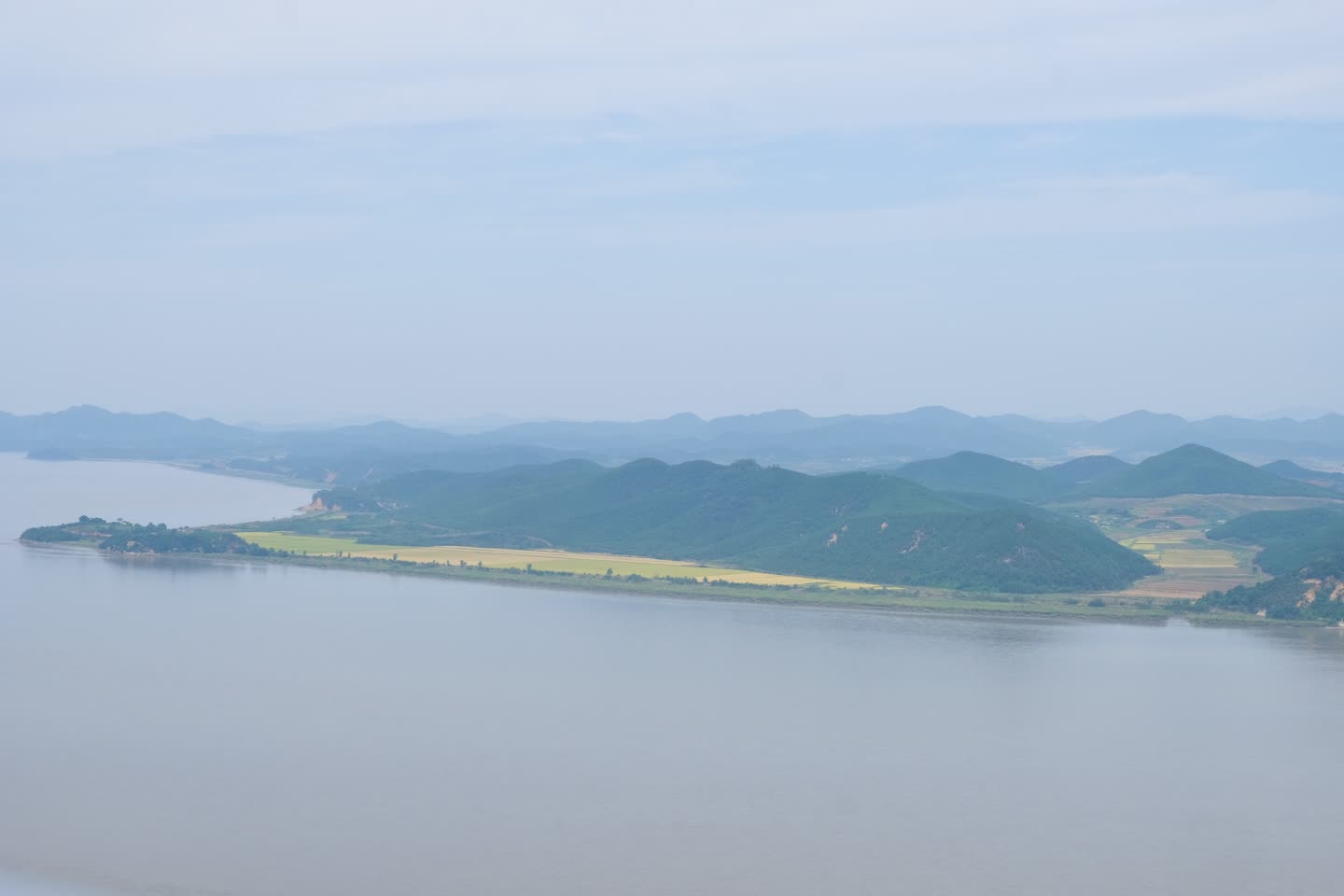
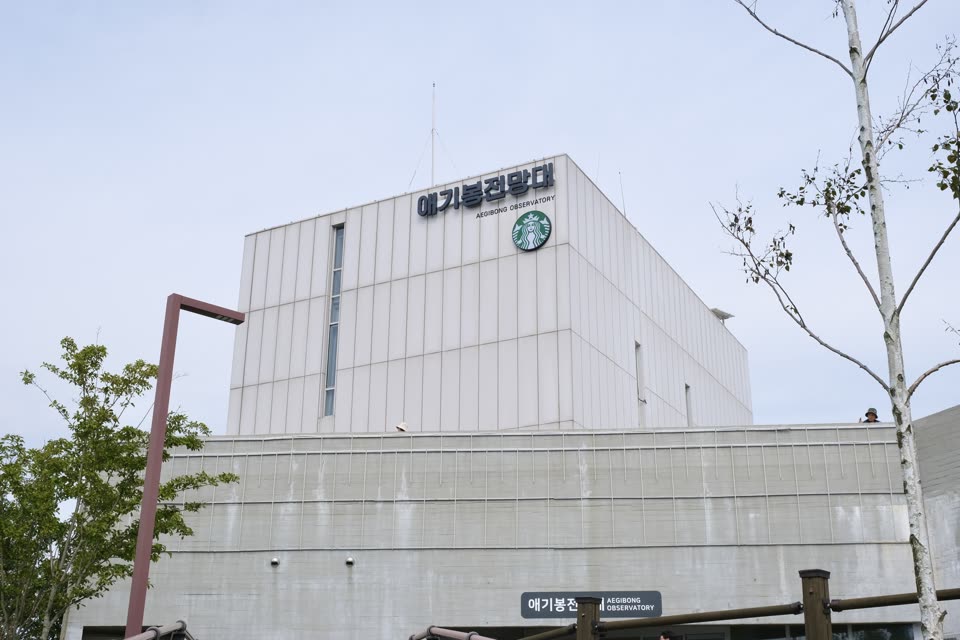
The most visible Christmas object in North Korea stood in South Korea. A steel tower built in 1971 on Aegibong hill at Gimpo, within sight of the North, was lit up at Christmas by South Korean Christian groups, and the North objected to it for decades; in 2010 it threatened to shell it. In October 2014 the South took it down. The BBC: «South Korea has taken down a tower at its border with North Korea which has in the past been decorated as a Christmas tree by Christian groups.»
The reason given was structural. Yonhap quoted a defence ministry official saying the ground under the steel structure had weakened under its weight and it was at risk of collapsing in a high wind. Yonhap also noted the speculation that the real reason was the state of inter-Korean relations, which the ministry denied. Both explanations were published on the day and neither has been settled since.
Widely repeated claims about Christmas in North Korea that do not survive
checking. Each one says what is actually the case, because a correction
with nothing in its place leaves you worse off than before.
Oversimplified
North Korea has no churches, and the ones in photographs are film sets.
What is actually the case. The buildings are real and so is the doubt about what happens in them. A wire correspondent in Pyongyang counted four state-approved Christian churches — one Russian Orthodox, two Protestant, one Catholic — and went inside: crosses but no crucifixes, hymns and prayers but no sacraments, services led by state-appointed laymen and not sanctioned by the Vatican, and the Protestant churches «reportedly largely unused».
The Orthodox one is the easiest to check, because the people who use it say so: the Russian embassy describes its own parish of about 150, all of them embassy staff and their families. What outside observers question is not whether the buildings exist but whether the congregations do.
North Koreans are executed for celebrating Christmas.
What is actually the case. No published account of North Korea documents an execution for keeping Christmas, and the sources usually behind the claim say something both narrower and worse. The United Nations commission of inquiry found in 2014 that outside the few state-controlled churches Christians are prohibited from practising and are persecuted, that those caught are subject to severe punishments, and that people found to have been in contact with Christian churches may be disappeared into political prison camps, imprisoned or summarily executed.
What is documented by name is lesser and still severe, and the two American cases usually told as one are two. In 2014 Jeffrey Fowle, an Ohio municipal worker, was detained for leaving a Bible in a club in the port city of Chongjin, held for nearly six months and released without ever being tried. Kenneth Bae, a Korean-American missionary, was sentenced in April 2013 to fifteen years of hard labour — for «plotting to overthrow the North Korean government» rather than for a Bible — and released in November 2014. A Canadian pastor, Hyeon Soo Lim, was sentenced to life with hard labour in 2015.
So Christianity is punished in North Korea, and no case of a Christmas party ending in an execution has been documented.
North Korea abolished Christmas and put a celebration of Kim Jong Il's mother in its place.
What is actually the case. The two anniversaries on 24 December are real and the sequence implied is not established. Kim Jong Suk was born on 24 December 1917, three decades before the state existed, and Kim Jong Il was made supreme commander on 24 December 1991. Neither date was chosen in response to a feast that was not kept.
What is fair to say is that the North makes a great deal of those anniversaries on a day the rest of the region is doing something else, and that a South Korean wire describes the bloodline commemorations as standing in Christmas's place. That is a framing by a newspaper in Seoul, and it carries the newspaper's name.
North Korea's published holiday calendar for 2026 has seventeen days on it and not one of them is in December. The Seoul weekly Sisa Weekly obtained a North Korean wall calendar printed for distribution in China and counted: «시사주간이 2026년 중국용 북한 달력을 입수해 분석한 결과, 양력설(1월 1일)·설(2월 17일)·추석(9월 25일)·정월대보름(3월 3일) 등 명절을 포함해 17일이다.» The list at the foot of the article runs from New Year's Day to Mother's Day on 16 November and then stops. It is one calendar, printed for export, read by one outlet, and it is not a statute.
The constitution grants freedom of religious belief and then takes the shape of the grant back. Article 68, in the DPRK's own English text: «Citizens have freedom of religious belief. This right is granted through the approval of the construction of religious buildings and the holding of religious ceremonies. Religion must not be used as a pretext for drawing in foreign forces or for harming the State or social order.»
The right exists in the form of a permission to build and to hold ceremonies, which is a fair description of the four approved churches in Pyongyang and of nothing else.
A United Nations commission of inquiry concluded in 2014 that the state treats the spread of Christianity as a particular threat, and said why: «The State considers the spread of Christianity a particularly serious threat, since it challenges ideologically the official personality cult and provides a platform for social and political organization and interaction outside the realm of the State. Apart from the few organized State-controlled churches, Christians are prohibited from practising their religion and are persecuted.»
The sentence that follows it is the one that matters for what happens to people: those caught practising Christianity «are subject to severe punishments in violation of the right to freedom of religion and the prohibition of religious discrimination». The commission also found that people discovered to have been in contact with Christian churches may be disappeared into political prison camps, imprisoned or summarily executed.
Yonhap reports that the law against reactionary thought and culture, adopted in 2020, is understood to count imitating Christian culture or treating Christmas as a holiday as reactionary: «특히 2020년 채택된 '반동사상문화배격법'에는 기독교 문화를 따라 하거나 크리스마스를 명절로 받아들이는 것도 반동사상문화에 포함한 것으로 알려졌다.»
알려졌다 is Yonhap's own hedge: it means the law is reported to do this, not known to. The text of that law has never been published.
Pyongyang was once the most Christian city in Korea. The Associated Press, writing from it in 2016: «Before the advent of the ruling Kim regime, North Korea was fertile ground for missionaries and Pyongyang had more Christians than any other city in Korea. It even had a seated Catholic bishop. Most of that presence was erased by the early 1950s.»
The city missionaries once called the Jerusalem of the East is the one with four approved churches in it, two of them reportedly unused.
The winter holiday in North Korea is New Year, not Christmas. 1 January is on the published list of holidays — «1월 1일 양력설» — and NK News wrote in 2013 that it is kept the way it is kept in the South: «New Year’s is a different story. Like their Southern brethren, North Koreans drink and party on New Year’s Eve and New Year’s Day.»
That last sentence is one outside observer writing in 2013, and no other account of the evening has been published in English.
Every claim carries its own citation. They are collected below, so you
can see what the page rests on and how much of it comes from where.
Christmas in N. Korea: Lights and trees, but devoid of Jesus — Associated Press, Pyongyang, 23 December 2016, by Eric Talmadge. Retrieved 2026-10-30. archived 3 October 2025The churches: «There are four state-approved Christian churches in Pyongyang — one Russian Orthodox, two Protestant and one Catholic.» And what is in the Catholic one: «Inside the Catholic cathedral are crosses, but no crucifixes. Weekly services feature hymns and prayers offered in a highly formalized manner, but there are no sacraments. State-appointed laymen lead the services, which are not sanctioned by the Vatican. The Protestant churches are reportedly largely unused.»The decorations: «They aren’t especially hard to find in Pyongyang, especially in upscale restaurants or shops that cater to the local elite and the small community of resident foreigners.» A waist-high tree stood for years in the offices of the Koryolink mobile network; instrumental White Christmas and Let It Snow were in the dining-room rotation of one of the city's best hotels from at least the previous August; in the countryside such displays are «rare to nonexistent».The history: «Before the advent of the ruling Kim regime, North Korea was fertile ground for missionaries and Pyongyang had more Christians than any other city in Korea. It even had a seated Catholic bishop. Most of that presence was erased by the early 1950s.»
North Korea: American sentenced to hard labor — Associated Press, via the Christian Science Monitor, 1 May 2013. Retrieved 2026-10-31. archived 2 October 2015The sentence, the day after it was passed: «On Wednesday, Bae was sentenced to 15 years of labor for crimes against the state.» The charge was not a Bible: «After being detained for six months, American Kenneth Bae (also known as Pae Jun Ho), a tour operator, was sentenced for plotting to overthrow the North Korean government. Details of his crimes have not been released.»
South Korea takes down 'Christmas tree' border tower — BBC News, 22 October 2014. Retrieved 2026-10-30. archived 19 July 2025«South Korea has taken down a tower at its border with North Korea which has in the past been decorated as a Christmas tree by Christian groups.» And, attributing: «Citing a defence official, South Korea's Yonhap news agency said the tower, built in 1971, was being removed because it could collapse.»Yonhap's own report of the same day, https://www.yna.co.kr/view/AKR20141022027000043 , carries the ministry's wording: «철골 구조물의 하중으로 지반이 약화하여 강풍 등 외력에 의해 무너질 위험이 있어 철거했다».
Посольство РФ в КНДР заявило о попытке Константинополя "приписать" себе русский храм в Пхеньяне — Interfax, 5 December 2018, quoting the Russian embassy in Pyongyang. Retrieved 2026-10-30. archived 13 July 2025«Свято-Троицкий храм возведен как символ корейско-российской дружбы по решению бывшего руководителя КНДР Ким Чен Ира.»«Там - наши иконы, русский иконостас, воронежские колокола. Московская артель "Радость" замечательно расписала своды храма.»«В августе 2006 года в его престол были вложены частицы мощей новомучеников и исповедников российских, и он был торжественно освящен митрополитом Смоленским и Калининградским Кириллом - ныне Святейшим патриархом Московским и всея Руси.»«Кроме того, у храма около 150 постоянных прихожан - все сотрудники посольства и члены их семей.»
US: North Korea released one of three American detainees — Lara Jakes, Associated Press, via the Christian Science Monitor, 21 October 2014. Retrieved 2026-10-31. archived 17 April 2024The release, on the day: «American detainee Jeffrey Fowle has been released from North Korea, nearly six months after he was taken into custody on charges of leaving a Bible in a nightclub, the State Department said Tuesday.» The same report separates the other case rather than merging it: «Kenneth Bae. He is a Korean-American missionary who is serving a 15-year sentence for alleged and unspecified "hostile acts." He was arrested in November 2012 while leading a tour group in a special North Korean economic zone.»
Christmas and New Year's in North Korea — NK News, 31 December 2013, by Benjamin R. Young. Retrieved 2026-10-30. archived 22 August 2025«As an atheist country North Korea does not celebrate Christmas, though many of its citizens are aware of the holiday.»
'종교자유' 없는 北, 크리스마스 대신 '백두혈통' 기념 — Yonhap, 25 December 2022. Retrieved 2026-10-30. archived 24 December 2022The 2020 law: «특히 2020년 채택된 '반동사상문화배격법'에는 기독교 문화를 따라 하거나 크리스마스를 명절로 받아들이는 것도 반동사상문화에 포함한 것으로 알려졌다». 알려졌다 is «is reported to»: Yonhap is hedging, and the text of that law has never been published.The 2019 services: «2019년 북측 민족화해협의회가 운영하는 사이트 '려명'은 크리스마스 당일 봉수교회와 칠골교회에서 성탄절 기념 예배가 진행됐다며…», with Yonhap's own judgement that the purpose was largely propaganda.The diplomats: «북한 주재 외국 대사관 직원들이 성탄절 미사와 예배를 보기도 하기 때문이다. 평양 도심의 일부 서방 대사관에도 크리스마스를 기념하는 여러 색깔의 전구를 매달기도 했다.»
【본지입수】 北, 2026년 공휴일 17일···일요일 포함땐 67일 — 시사주간 (Sisa Weekly), Seoul, 2 January 2026, by Yang Seung-jin. Retrieved 2026-10-30. archived 6 January 2026«시사주간이 2026년 중국용 북한 달력을 입수해 분석한 결과, 양력설(1월 1일)·설(2월 17일)·추석(9월 25일)·정월대보름(3월 3일) 등 명절을 포함해 17일이다.»It is also the source for 1 January being a holiday: «1월 1일 양력설».