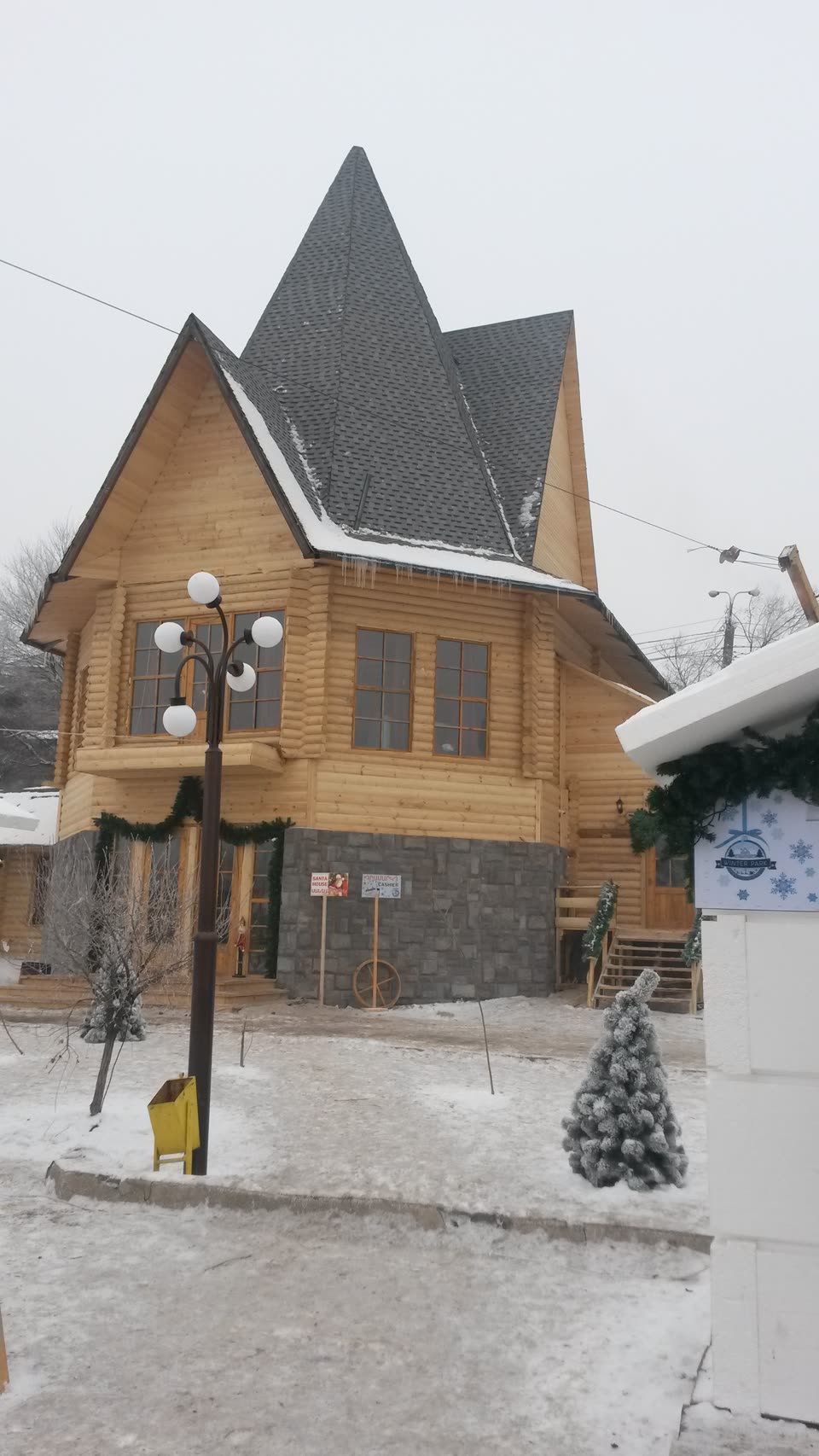
Dzmer Pap — Winter GrandfatherՁմեռ պապ · arrives 31 December
Who brings the presents
Kaghand Pap — the older Armenian New Year figure, who brought counsel rather than presentsԿաղանդ պապ · arrives 31 December
—days
—hrs
—min
—sec
Next: Wednesday 6 January 2027
When is Christmas in Armenia?
Christmas Day in Armenia is 6 January. It is a public holiday.
How to say it
Armenian
շնորհավոր Սուրբ Ծնունդ
šnorhavor Surb Cnund
say it: shnor-ha-VOR soorb tsuh-NOOND
A synthesised voice — not a recording of a person — saying շնորհավոր Սուրբ Ծնունդ
in hy-AM.
Eastern Armenian, which is what Armenia speaks. Western Armenian, the language of most of the diaspora, says the same words differently — /ʃ(ə)noɾɑˈvoɾ suɾp d͡zəˈnunt/ — so the last word sounds closer to "dzuh-NOONT". A greeting recorded once for "Armenian" is already a choice between Yerevan and the diaspora.
Քրիստոս Ծնվեց և Հայտնվեց, Օրհնյալ է Հայտնությունը Քրիստոսի
Kristos Tsnvets ev Haytnvets, Orhnyal e Haytnutyuny Kristosi
say it: kris-TOS tsuhn-VETS yev hayt-NVETS, orh-NYAL eh hayt-noo-TYOO-nuh kris-to-SEE
A synthesised voice — not a recording of a person — saying Քրիստոս Ծնվեց և Հայտնվեց, Օրհնյալ է Հայտնությունը Քրիստոսի
in hy-AM.
A call and a response, not a single phrase: Christ is born and revealed — blessed is the revelation of Christ. Both halves of the feast are in the greeting itself, which is why it is worth carrying beside the ordinary «merry Christmas». People say it to each other through the whole season, not only in church, and the common lay extension is «մեզ և ձեզ մեծ ավետիս» — great tidings to us and to you.
Presents arrive at New Year, not at the Nativity — and the figure himself is a Soviet import. Ded Moroz and Snegurochka came into Soviet Armenia from Russia, and Ձմեռ պապ is the Armenian name for the Russian figure rather than an Armenian one translated. The statute preserves the shape that produced him: Article 1 blocks 31 December to 2 January as Ամանոր, then names 3–5 January as pre-Nativity holidays before reaching 6 January. The tree, the table and the presents sit in the New Year half.
Kaghand Pap — the older Armenian New Year figure, who brought counsel rather than presents Կաղանդ պապ
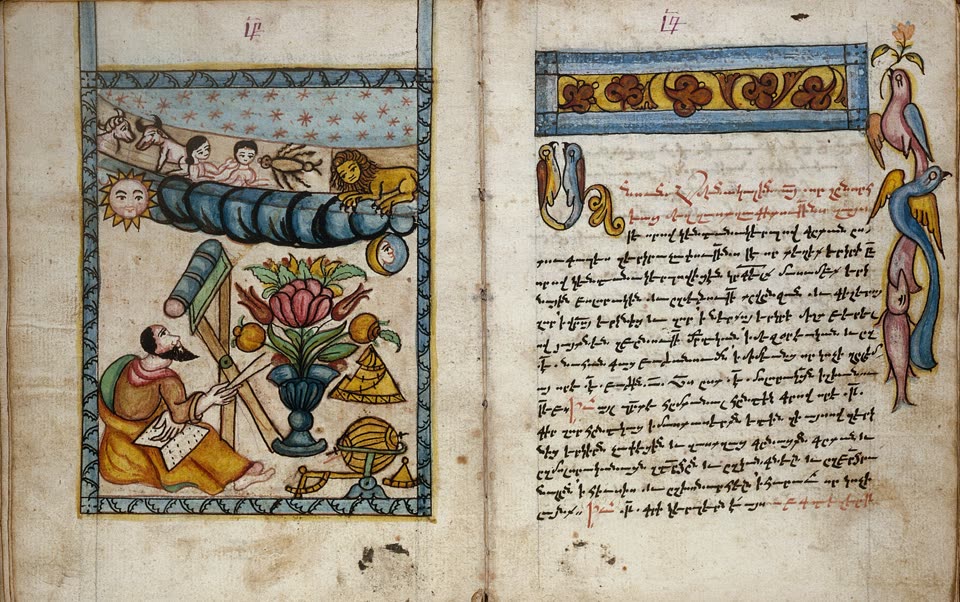
The traditional Armenian New Year figure, who came «գավազանով և ոչխարի մորթուց պատրաստված քուրքով» — with a staff and a coat made of sheepskin. What he gave was not presents but «Ամանորի յոթ խորհուրդ», the seven counsels of the New Year: mutual respect, peace, nobility, wisdom, industriousness, humility and gratitude. The name is from Կաղանդ, which is the Latin calendae; Armenian has held three different New Years — Կաղանդ on 21 March at the equinox, Նավասարդ on 11 August, and Ամանոր on 1 January.
Chragaluyts — the evening the lamps are lit, and the light goes home with you
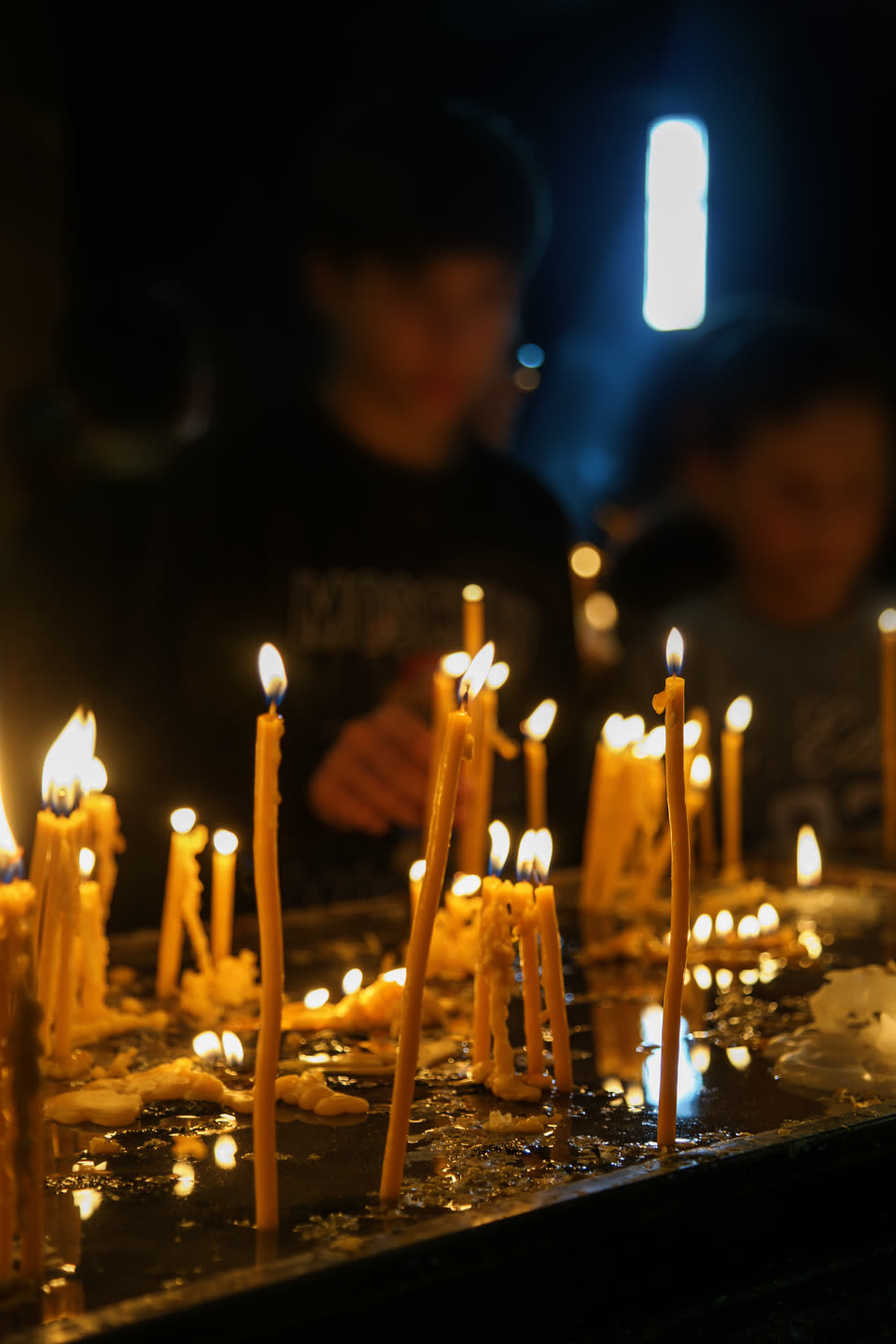
Christmas begins on the evening of 5 January with the Ճրագալույց liturgy. The name is from «ճրագ լուցանել», to light a lamp. The Armenian Church serves an evening Divine Liturgy only twice in the year — this one, and the eve of Easter — so the hour itself marks the day out. Afterwards people carry light from the church lamps home with them. It stands for the divine light, the blessing of the church, and the light of the star over Bethlehem.
Ճրագալույց — Զորավոր Սուրբ Աստվածածին եկեղեցի (Zoravor Surb Astvatsatsin Church), Yerevan — under Archbishop Navasard Kchoyan
Khtum — the evening that is neither the fast nor the feast
The evening of Ճրագալույց is also called խթում, and it is the eve of the eating rather than the eating itself. The supper is preferably made of fish, dairy and vegetables, but without meat. The day has its own name for that in-between state — նավակատիք — because the feast proper has not begun, only its eve. It is also when people call on one another to pass on the avetis, the good news of the feast.
Ճրագալույց — Զորավոր Սուրբ Աստվածածին եկեղեցի (Zoravor Surb Astvatsatsin Church), Yerevan
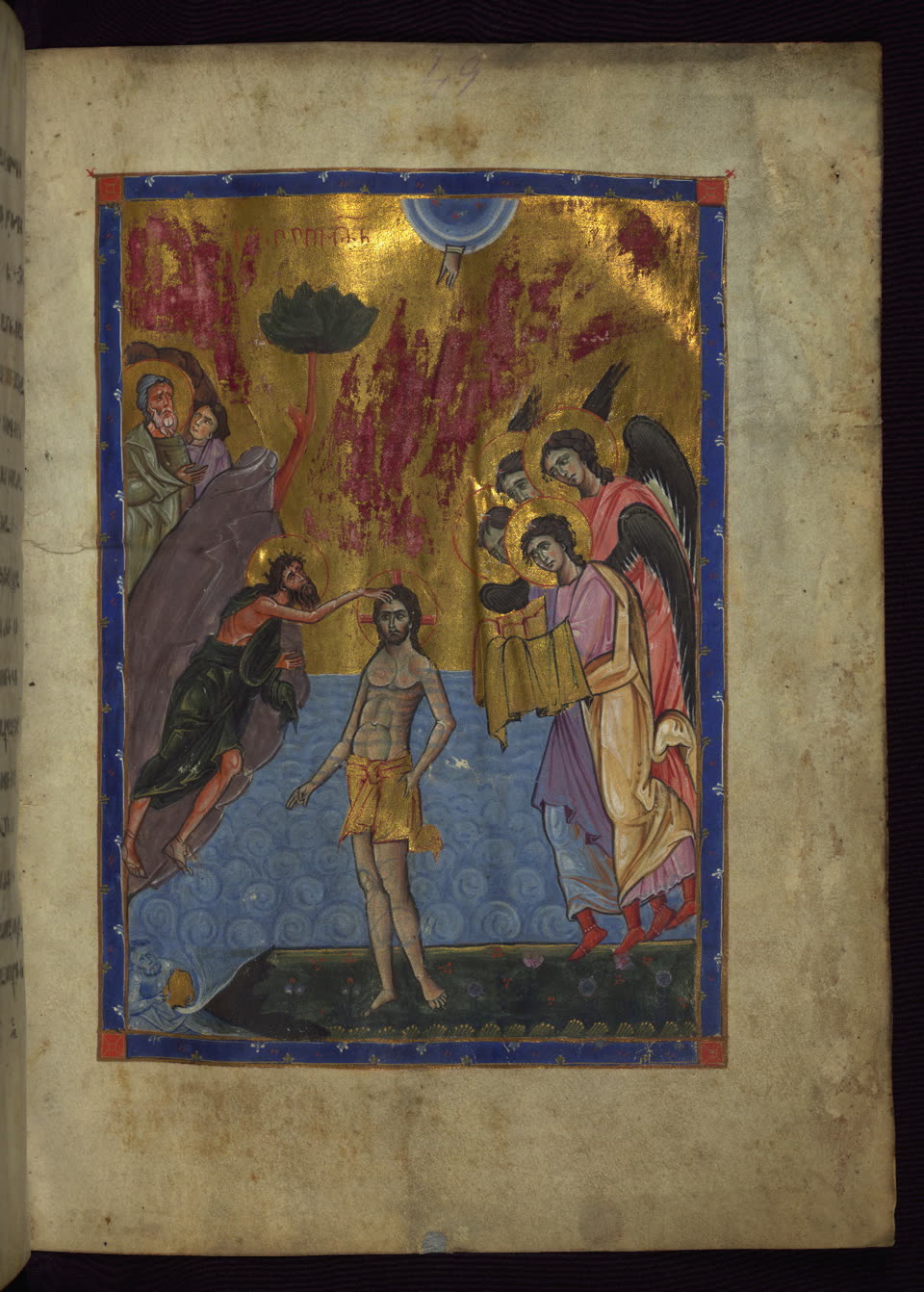
The Nativity and the Theophany are one feast, on one day
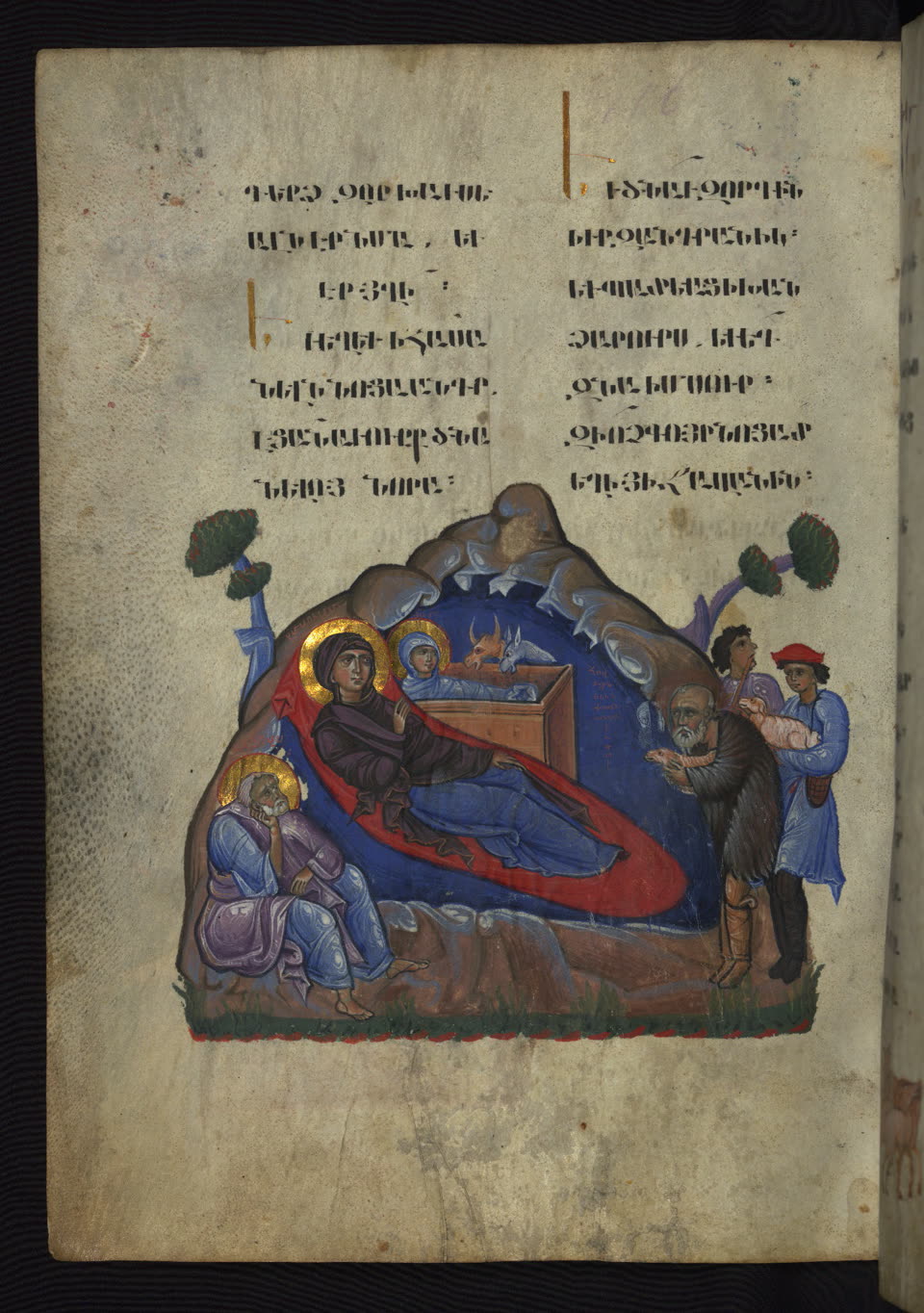
On 6 January the Armenian Apostolic Church keeps Christ's birth and his baptism as a single feast — «Մեր Տեր Հիսուս Քրիստոսի Սուրբ Ծննդյան և Աստվածահայտնության տոնը». This is the older arrangement. The rest of Christendom separated the two in the fourth century, putting the Nativity on 25 December and leaving Epiphany on 6 January; the Armenian Church never made the split.
Jrorhnek — the blessing of the water, with the cross and the Holy Muron
After the Nativity liturgy comes Ջրօրհնեք, the blessing of water. The cross is lowered into the water to mark Christ entering the Jordan, and the water is blessed with Սրբալույս Մյուռոն, the Holy Muron — the chrism which in the Armenian Church is consecrated only rarely and at Etchmiadzin. People take the blessed water home.
Merelots — the day after the feast belongs to the dead
7 January is Մեռելոց, the remembrance of the dead: a requiem after the liturgy, and families go to the graves. It is a statutory non-working day in its own right, written into the holidays law directly after the Nativity.
A fast runs through the week before the Nativity — «Դեկտեմբերի 29-ի երեկոյից մինչև հունվարի 5-ի երեկո», from the evening of 29 December to the evening of 5 January — and nothing but food of plant origin is eaten in it. It is what shapes the Christmas table: the fish, the yogurt soup and the sweetness of the pilaf are the fast ending rather than a menu chosen for its own sake. The fast is broken on the evening of 5 January, when the Chragaluyts liturgy is served and the news of the Nativity is given — or on 6 January, after the Nativity liturgy itself.
Seventy years when the New Year was the only one allowed
Armenia was a Soviet republic from 1920, and for the first decade of it the New Year was an ordinary working day with no tree in the house. Christmas was suppressed and the decorated tree banned as a religious object. From the 1930s the tree was legalised again by Stalin's decree — but as a SECULAR New Year symbol, with a red star on top where the star of Bethlehem had been. Some families in religious districts kept Christmas quietly anyway, and kept the tree standing through it.
Avetis — the greeting was a carol, sung door to door by boys
In Marash, once the khtum table was laid, groups of boys six or seven strong went house to house announcing Christ's birth by singing «Աւետիս» — the good tidings. They were paid in food: walnuts, almonds, dried fruit and raisins, sometimes small coins. The songs were in the Marash dialect, and they ended on the line that is still the greeting of the day: «Քրիստոս ծնաւ եւ յայտնեցաւ, ձեզի մեզի մեծ աւետիս».
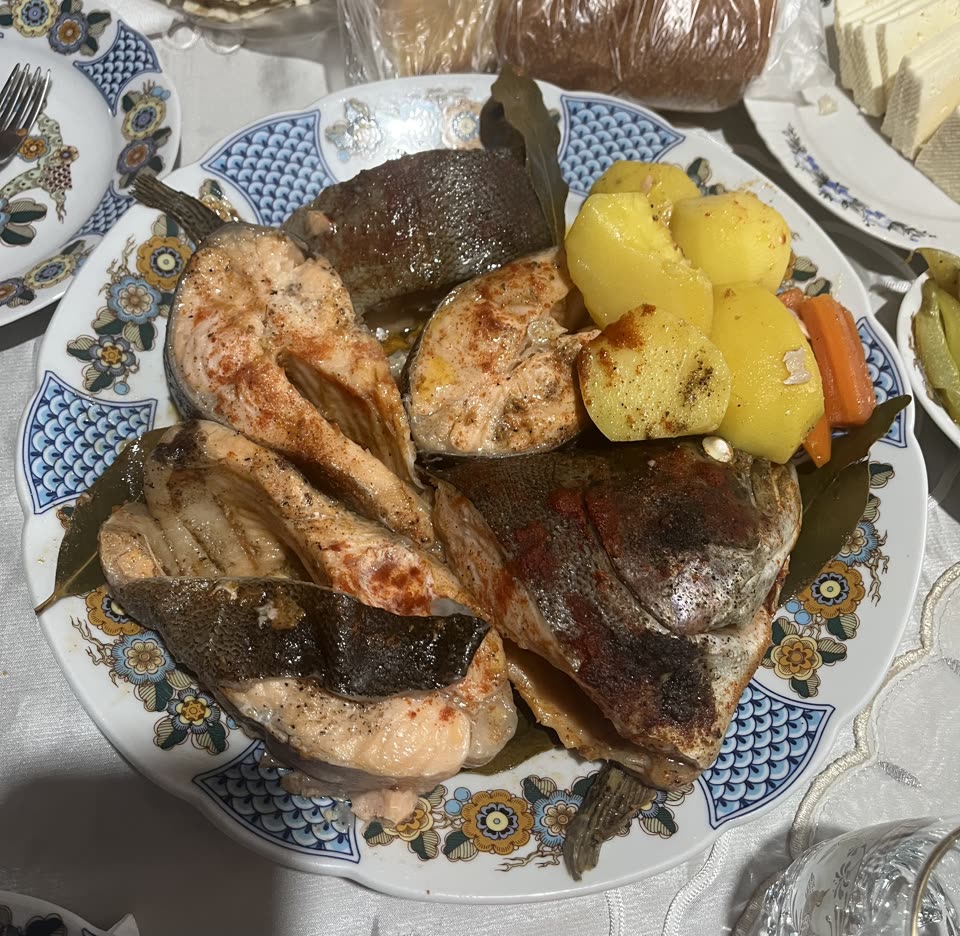
Sweet pilaf with raisins and dried fruit, and fish քաղցր փլավ չամիչով և չրերով, ձուկ
In the Republic of Armenia the Christmas dish is sweet pilaf with raisins and dried fruit, and fish — and the reason given is the fast rather than the fish. The fast ends on the feast, so the table carries the first non-fasting food in weeks, and fish rather than meat because fish is easier on a stomach that has been fasting. The church's own rule for the eve says the same thing from the other side: the khtum supper should be fish, dairy and vegetables, and no meat.
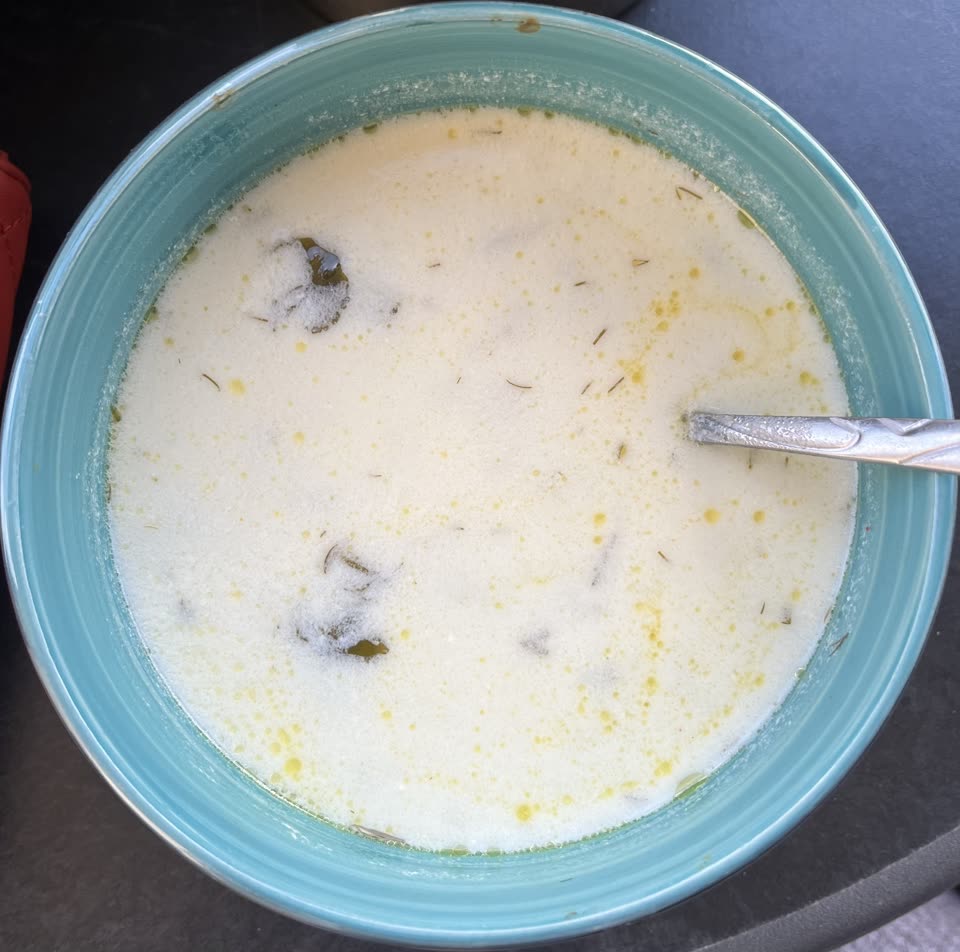
A hot soup made from մածուն, Armenian yogurt. In several regions of Western Armenia it was made without fail at Christmas, for the same reason as the fish: matsun was not eaten during the fast either, so the first thing made after it was the thing the fast had forbidden. It is eaten hot, and Christmas in Armenia is cold.
Mayramachash — the soup named for the Mother of God Մայրամաճաշ
A Christmas soup made in Zeytun from a leafy plant gathered in summer and dried for the purpose. A version is made in Yeghegnadzor, where it is called Մայրամաճաշ — Mary's meal.
Tari hats — the year bread, with a coin in it Տարի հաց
The New Year table's centrepiece, baked with a coin hidden inside — the դովլաթ, the fortune. It is cut into twelve portions and whoever gets the piece with the coin is held to have the luck of the year. Roasted grain, աղանձ, belongs to the same table and stands for fertility.
Widely repeated claims about Christmas in Armenia that do not survive
checking. Each one says what is actually the case, because a correction
with nothing in its place leaves you worse off than before.
Contradicted
Armenia celebrates Christmas on 6 January because it is on the old calendar, like Russia and Serbia on 7 January.
What is actually the case. It is the opposite way round. The Armenian Apostolic Church adopted the Gregorian calendar in 1923, for civil and liturgical use — one of very few Eastern churches to do so, which is why Armenians keep Easter on the same day as the Catholic and Protestant world. Its 6 January is not 25 December displaced by thirteen days. It is the feast of the Nativity AND Theophany kept on one day, which is how the whole church kept it before the Nativity was separated out: the Orthodox Encyclopedia dates that separation to the fourth century, beginning in the West and reaching the East by the end of the century, and says the Armenian Church is the one place the two were not finally parted. The genuine Julian survival is elsewhere in the same church — the Armenian Patriarchate of Jerusalem still uses the Julian calendar, because of the status quo of the Holy Places, and so keeps the same feast on what the rest of the world calls 19 January. Armenia's date is early because the feast is old; Jerusalem's is late because the calendar is behind.
What is actually the case. True of the Armenian Apostolic Church, which is the great majority and whose date the Republic of Armenia has written into statute. It is not true of all Armenians, and it is not even true of all Armenians in Armenia. Armenian Catholics keep 25 December, in the Roman pattern, with a candlelight liturgy on the evening of the 24th — and they are a real community on the ground rather than a footnote abroad: the Ordinariate for Armenia, Georgia, Russia and Eastern Europe sits at Gyumri, and the community is concentrated in the Shirak region around Gyumri and Ashotsk. Separately, the Armenian Patriarchate of Jerusalem keeps the unified Nativity-and-Theophany feast but on the Julian calendar, which falls on 19 January. So "one church, one date" is the wrong shape for the sentence. It is one people, three dates, and the one in Armenia is 6 January.
Armenia's New Year lands inside its Christmas fast. The fast runs from the evening of 29 December to the evening of 5 January, and the statutory New Year holiday is 31 December to 2 January — so the biggest secular feast of the Armenian year sits in the middle of the church's strictest week, when nothing but plant food is eaten. It did not always: under the old Armenian calendar the New Year was Navasard 1, 11 August, and fell nowhere near the fast. The collision arrived with the calendar.
Armenia's Christmas season is eight consecutive statutory non-working days, 31 December to 7 January — and the law sets it out in four named blocks: New Year on 31 December to 2 January, the pre-Nativity holidays on 3, 4 and 5 January, the Nativity and Theophany on 6 January, and the remembrance of the dead on 7 January.
Armenia has had three different New Years. Կաղանդ fell on 21 March at the spring equinox and takes its name from the Latin calendae; Նավասարդ fell on 11 August; Ամանոր is the 1 January that everyone keeps now.
On New Year's Eve in Armenia the Catholicos of All Armenians goes on air before the president does. The equivalent did not survive in Russia: the Patriarch stopped broadcasting a New Year address in 2009, out of regard for religious pluralism.
Armenia's New Year customs are older than its Christianity and were absorbed rather than replaced. Armenian ethnography treats the New Year rites as a layered thing: an agricultural folk calendar that kept its elements through the conversion, with the Christian feast settling on top of them rather than clearing them away.
Armenians have called Christmas "little Easter" — պզտիկ Զատիկ, and in the Marash dialect Պտիկ Զատակ. Which is the right way round for a church that kept the Nativity and the Theophany as one feast: the Resurrection is the measure, and the birth is named against it.
Этнограф Юлия Антонян: Новый год был рабочим днём в первые советские годы — Армянский музей Москвы и культуры наций (Armenian Museum of Moscow) — interview with the ethnographer Yulia Antonyan by Arminé Agaronyan. Retrieved 2026-10-02. archived 8 February 2025«В двадцатые годы, в самом начале советской власти в Армении… первые десять советских лет ёлки в домах отсутствовали, а Новый год был обычным рабочим днём».
БОГОЯВЛЕНИЕ (Theophany) — Православная энциклопедия (The Orthodox Encyclopedia), pravenc.ru. Retrieved 2026-10-02. archived 4 February 2026«Первоначально он был посвящен Воплощению, Рождеству и Крещению Христовым», with «датой праздника было 6 янв.»; and «В IV в. сначала на Западе, а к кон. века и на Востоке праздник Рождества Христова выделяется в самостоятельное торжество».
Մարաշի սանճաք — Տօներ (The Marash sanjak — Feasts) — Արեւմտահայաստանի եւ Արեւմտահայութեան Հարցերու Ուսումնասիրութեան Կեդրոն (Centre for the Study of Western Armenian Questions), akunq.net. Retrieved 2026-10-03.Western Armenian ethnography of Marash, in Cilicia, footnoting Գրիգոր Հ. Գալուստեան, «Մարաշ կամ Գերմանիկ եւ Հերոս Զէյթուն», 2nd ed., New York 1988, feasts at pp. 333–341.
Ճրագալույց — Զորավոր Սուրբ Աստվածածին եկեղեցի (Zoravor Surb Astvatsatsin Church), Yerevan — under Archbishop Navasard Kchoyan. Retrieved 2026-10-02. archived 16 June 2026«Հայ եկեղեցին տարվա մեջ երկու անգամ է երեկոյան Սուրբ Պատարագ մատուցում» — the Armenian Church serves an evening liturgy twice a year. On the candles: «Այն խորհրդանշում է Աստվածային լույսը, եկեղեցու օրհնությունը, Բեթղեհեմյան աստղի լույսը».
Սուրբ ծննդյան Ճրագալույցի Սբ. Պատարագ — Վիրահայոց թեմ — the Virahayots Diocese of the Armenian Apostolic Orthodox Church, Tbilisi. Retrieved 2026-10-02. archived 13 June 2026Carries the fast as «Դեկտեմբերի 30-ից մինչև հունվարի 5-ի երեկոյան» with «օգտագործվում է բացառապես բուսական ծագում ունեցող սնունդ» — exclusively food of plant origin.