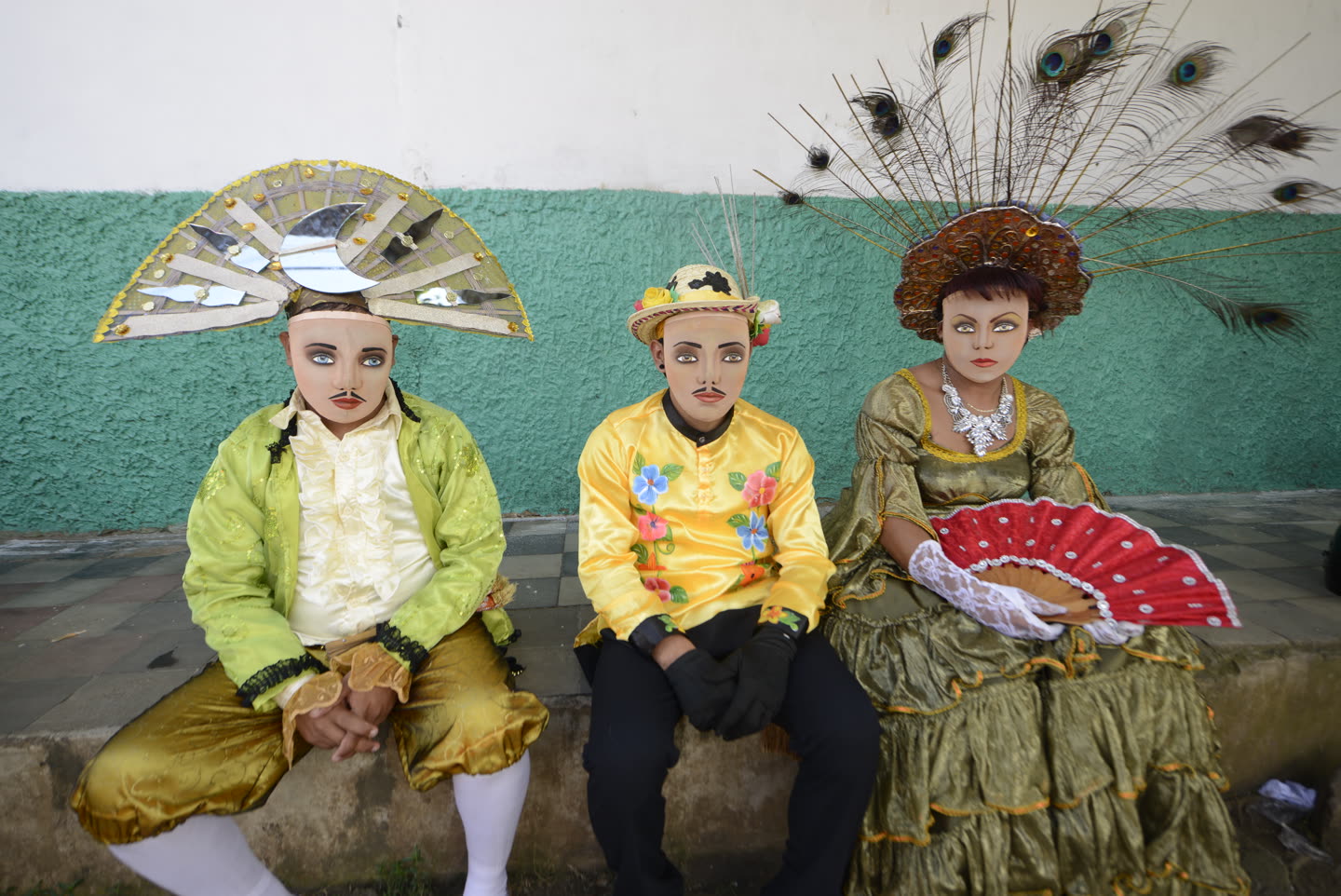
The big night is 7 December, and it is the night before the holiday rather than the holiday
A nine-day novena to the Immaculate Conception ends on 7 December, and that evening — not Christmas — is the largest religious gathering in the Nicaraguan year. It is called La Gritería, the shouting.
The timing is loose and starts early: the researcher who followed it through Managua, Granada, Masaya and Monimbó records that it is usually begun at dusk, between five and six in the evening, but that fireworks are going off from midday. People walk the streets in groups, stop at every altar to the Virgin they pass, sing, pray, and shout.
It is kept in all 153 of Nicaragua's municipios, and wherever enough Nicaraguans live abroad to make it — Costa Rica and the United States above all.
¿Quién causa tanta alegría? La Gritería: patrimonio cultural inmaterial dentro y fuera de las fronteras nicaragüenses — Giselle Chang Vargas, Universidad de Costa Rica, in Cuadernos Inter.c.a.mbio sobre Centroamérica y el Caribe, vol. 20 no. 1, January–June 2023 (refereed section)
Católicos nicaragüenses celebran tradicional 'Gritería' en medio de tensión con Gobierno — EFE, 7 December 2023, via swissinfo.ch
¿Quién causa tanta alegría? — the whole festival is a question and its answer
At each altar the visitors shout the question and the householders, or the rest of the street, shout the answer:
— ¿Quién causa tanta alegría? — Who causes so much joy?
— ¡La Concepción de María! — The Conception of Mary!
That exchange is where the name comes from. The academic account is plain about it: the festival is called the Gritería «se debe a que el 7 de diciembre la gente del pueblo va por las calles gritando» the question, and others answer. The words are said at full volume, walking in procession, crossing a city, or queueing in your own neighbourhood to see the altars.
The altars are the other half. Families build them inside the house or in the doorway, with a figure of the Virgin at the centre, and the queue forms in the street outside.
¿Quién causa tanta alegría? La Gritería: patrimonio cultural inmaterial dentro y fuera de las fronteras nicaragüenses — Giselle Chang Vargas, Universidad de Costa Rica, in Cuadernos Inter.c.a.mbio sobre Centroamérica y el Caribe, vol. 20 no. 1, January–June 2023 (refereed section)
Católicos nicaragüenses celebran tradicional 'Gritería' en medio de tensión con Gobierno — EFE, 7 December 2023, via swissinfo.ch
The gorra is what you are handed for singing, and lately it has been rice and beans
Nobody shouts for nothing. Everyone who sings at an altar is given a brindis, universally called la gorra, and what is in it depends entirely on what the household can afford.
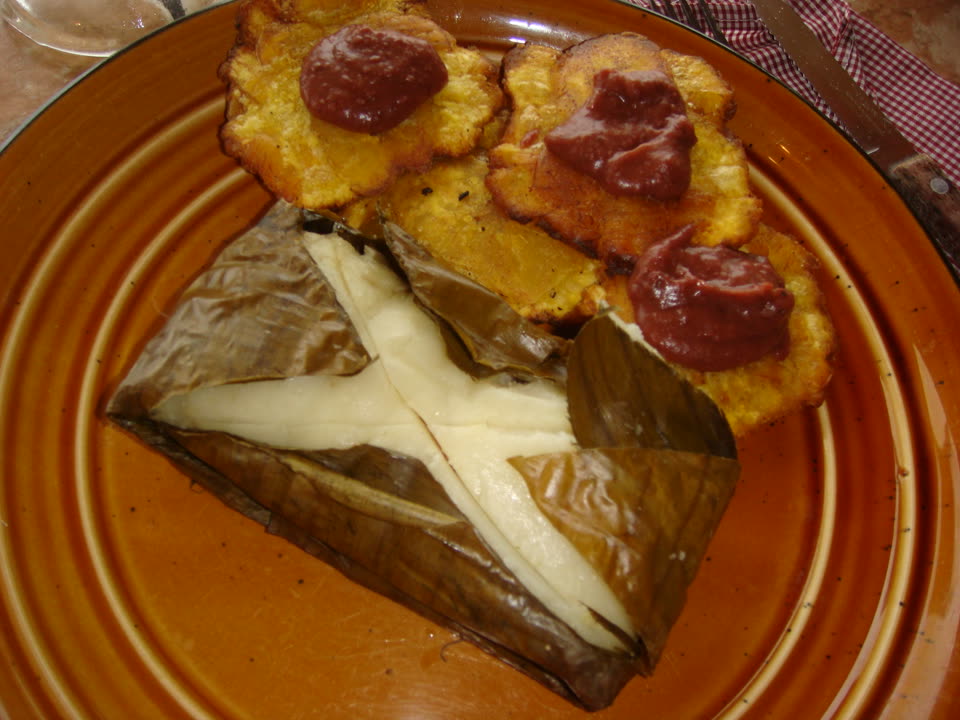
The fieldwork list is small artisanal toys — whistles, little clay animals, tiny baskets, brooms — and food: lemons, ayote en miel, nacatamales, bread rolls, and fresh drinks made from pitahaya, orange or jícaro seed. In recent years they are handed over on plastic or melamine plates.
And then the detail that says most about the country. Because of the economic situation most Nicaraguan families are in, the gorra now often contains little bags of raw rice and beans, or macaroni or dry pasta — and the researcher notes these are «muy bienvenidos» by the people receiving them. A festival gift has quietly become groceries, and nobody is embarrassed by it.
¿Quién causa tanta alegría? La Gritería: patrimonio cultural inmaterial dentro y fuera de las fronteras nicaragüenses — Giselle Chang Vargas, Universidad de Costa Rica, in Cuadernos Inter.c.a.mbio sobre Centroamérica y el Caribe, vol. 20 no. 1, January–June 2023 (refereed section)
Next year's Gritería begins on 9 December
Ask the people who put the altars up when the preparation starts and they never say November. They say 9 December — the day after this year's is over.
The reason is money. The altar, the figure, the decoration and the gorra for everybody who sings all have to be paid for, so the saving starts immediately and runs for the whole year. In the words one of them gave the researcher, from 9 December «empieza un ahorro anual para poder tener dinero suficiente para los portales y ofrecer el brindis o gorra para el próximo año».
It is a twelve-month festival with one night of noise in it.
¿Quién causa tanta alegría? La Gritería: patrimonio cultural inmaterial dentro y fuera de las fronteras nicaragüenses — Giselle Chang Vargas, Universidad de Costa Rica, in Cuadernos Inter.c.a.mbio sobre Centroamérica y el Caribe, vol. 20 no. 1, January–June 2023 (refereed section)
The government banned the processions and built its own altars
Nicaragua has been in open conflict with the Catholic Church since 2018, and the State Department's religious-freedom report for 2023 sets out the year: twenty-seven priests arrested, eighteen Nicaraguan and three foreign priests expelled, the president calling the hierarchy «bishops of Satan» in April, Bishop Rolando Álvarez sentenced to twenty-six years without trial in February, and the Holy See closing its embassy in March after Nicaragua suspended relations. A civil-rights lawyer counted 667 acts of aggression against the Catholic Church between April 2018 and August 2023, among them bans on religious processions; in April three worshippers were arrested trying to hold a Holy Week procession and were still in prison at the end of the year.
And the Gritería goes ahead. The researcher who walked Managua on 7 December found great decorated altars down both sides of the Avenida Bolívar as far as the monument to Hugo Chávez — the government's own avenue, the government's own altars.
In 2023 a priest stripped of his Nicaraguan nationality, Edwing Román, called the president and vice-president «hipócritas» and «cínicos» for promoting the Purísima while persecuting the Church. The largest Catholic street event in the country is the one the state has not stopped, because it has decided to hold it.
2023 Report on International Religious Freedom: Nicaragua — Office of International Religious Freedom, United States Department of State
¿Quién causa tanta alegría? La Gritería: patrimonio cultural inmaterial dentro y fuera de las fronteras nicaragüenses — Giselle Chang Vargas, Universidad de Costa Rica, in Cuadernos Inter.c.a.mbio sobre Centroamérica y el Caribe, vol. 20 no. 1, January–June 2023 (refereed section)