Christmas Day in Argentina is 25 December. It is a public holiday.
How to say it
Spanish
Feliz Navidad
Feliz Navidad
say it: feh-LEESS nah-vee-DAHD
A synthesised voice — not a recording of a person — saying Feliz Navidad
in es-AR.
No Argentine variant of the greeting was found, and none should be invented: it is the ordinary Spanish phrase, said in an Argentine accent — the «d» at the end softened, and in Buenos Aires the «ll» and «y» of surrounding words pronounced «sh», which is the one thing that marks the speaker out across Latin America.
The dictionary's third sense goes further: Navidad is also «el tiempo comprendido entre Nochebuena y la festividad de los Reyes Magos» — the stretch from Christmas Eve to Epiphany. That is exactly the span an Argentine Christmas occupies, from the dinner on the 24th to the shoes left out on the night of 5 January.
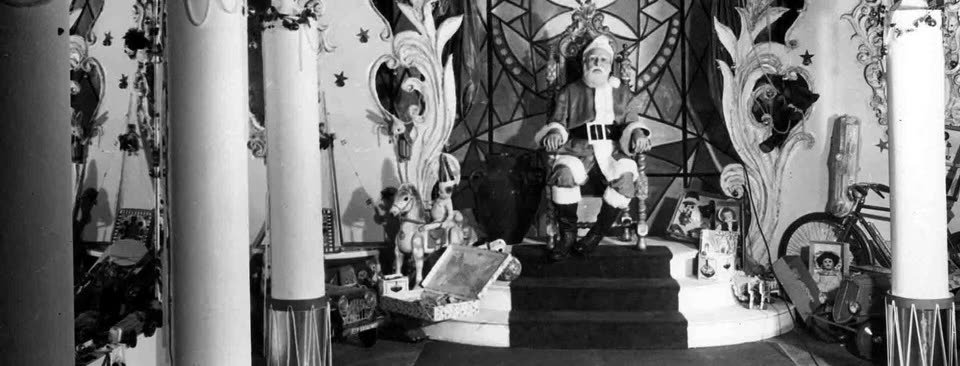
He does not come in the night and he is not found in the morning. The presents have to be under the tree at midnight on the 24th and not before, because — in the Herald's phrase — «Santa is not working the day shift on December 24».
The second delivery, twelve days after the first, and the one the children stay up for in a different way: shoes out on the night of the 5th, presents there on the morning of the 6th. Unlike Spain it is an ordinary working day in Argentina.
The night that matters is the 24th, and the presents are opened at midnight
Christmas Eve is the event. The extended family sits down late, eats a long meal in the summer heat, and at midnight raises a toast — champagne, or more often sidra, sweet cider sold in a champagne bottle. The presents are opened straight after it.
The Buenos Aires Herald puts the difference plainly: «Why wait until Christmas morning to find out what Santa Claus has brought you, when you can do it as soon as the clock strikes midnight? … in Argentina –and most of South America– people open their presents right after the twelve o'clock toast.»
What follows is not bed. Once the presents are distributed the parties start, addresses circulate on WhatsApp, and the Herald's advice for Christmas morning is «waking up with the lightest hangover possible».
The midnight rule creates a logistical problem for any family keeping Papá Noel alive: the presents must appear under the tree at midnight, with everybody in the house. The fireworks solve it.
«So, that's when midnight fireworks come in handy: 'kids, let's go out and see the fireworks' is usually a code for a designated someone to quickly put the previously hidden presents beneath the tree. Santa just swept by and dropped the presents, you missed him, kids!»
The same article notes the fireworks themselves are going out of fashion — «growing awareness of how this affects people with autism, pets, and others means this particular tradition is falling by the wayside» — which, if it continues, takes the cover story with it.
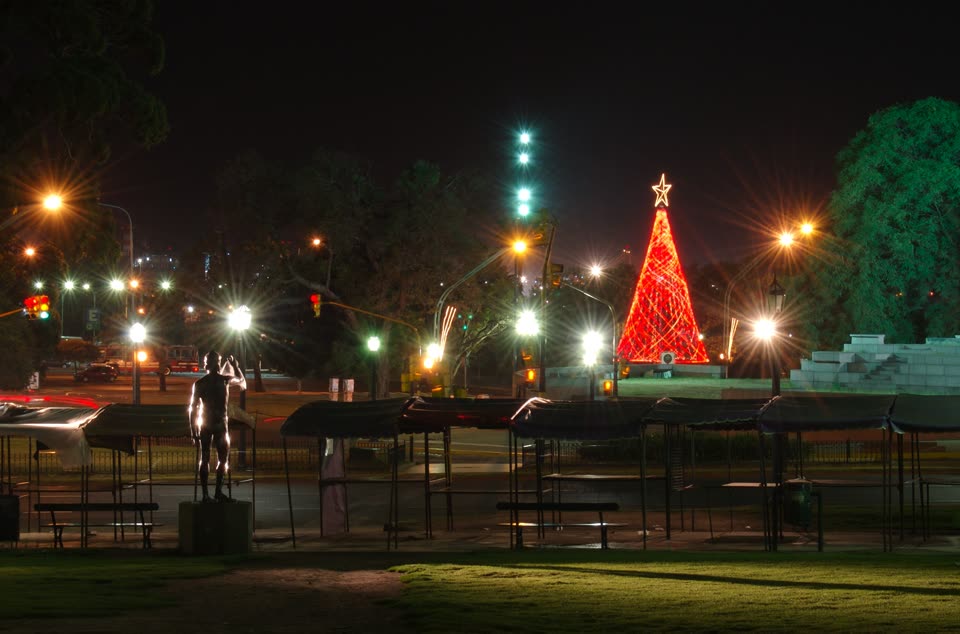
The tree goes up on 8 December, and the day is a national holiday
The season opens on the feast of the Immaculate Conception. Article 1 of the holidays law lists «8 de diciembre: Día de la Inmaculada Concepción de María» among the immovable national holidays, so the country is off work — and that is the day a great many households put up the arbolito.
La Nación: «En el caso particular de la Argentina, se suele hacer el 8 de diciembre, que es el Día de la Inmaculada Concepción de María, que en el país es un feriado nacional.»
The custom is a popular one rather than a church rule. Nothing in the liturgy says to decorate a tree on a Marian feast; what the date supplies is a day when everybody is at home.
24 December is a working day, and the state gives itself the afternoon off
Christmas Eve is not a holiday in Argentina. It is not in the law's list, and the annual workaround is a decree: an asueto for the national public administration, which is not a holiday and does not reach anybody else.
Decreto 883/2025 is the 2025 version. Its reasoning sets out the law first — «Que la Ley N° 27.399 les otorga carácter de feriados nacionales inamovibles a los días 25 de diciembre y 1° de enero de cada año, correspondientes a las festividades de NAVIDAD y AÑO NUEVO, respectivamente» — and then grants the days around them: «Otórgase asueto al personal de la ADMINISTRACIÓN PÚBLICA NACIONAL los días 24 y 31 de diciembre de 2025.»
Article 3 draws the line that shows what an asueto is: «Aclárase que la presente medida no alcanza a las instituciones bancarias y entidades financieras.» The banks stay open. So does the private sector, unless an employer decides otherwise.
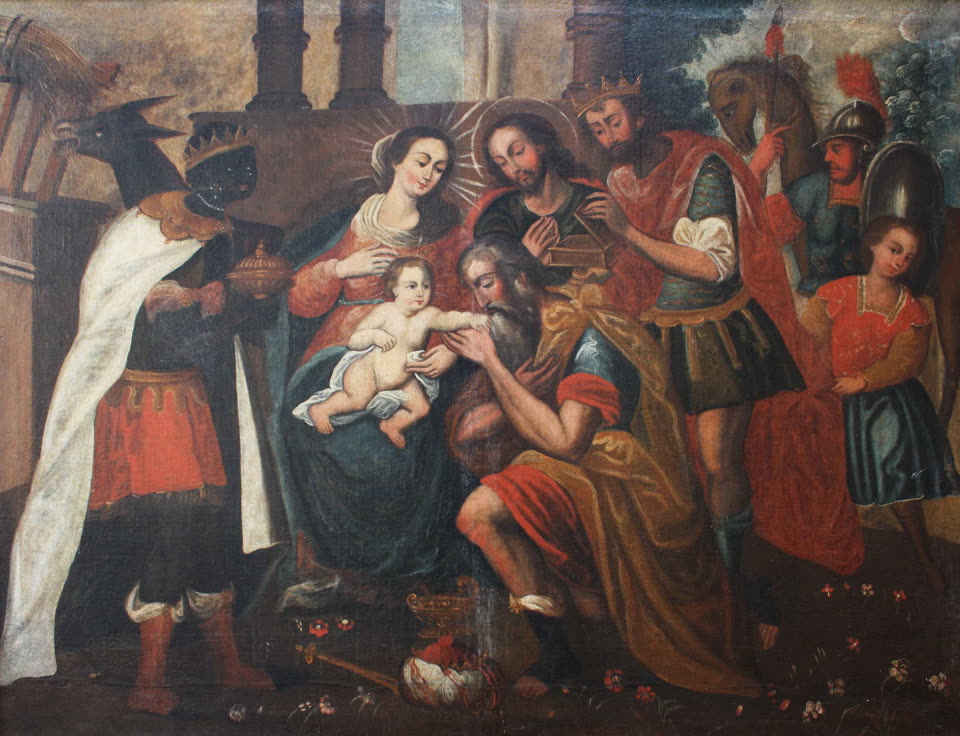
Reyes Magos: shoes by the crib, and water and grass for the camels
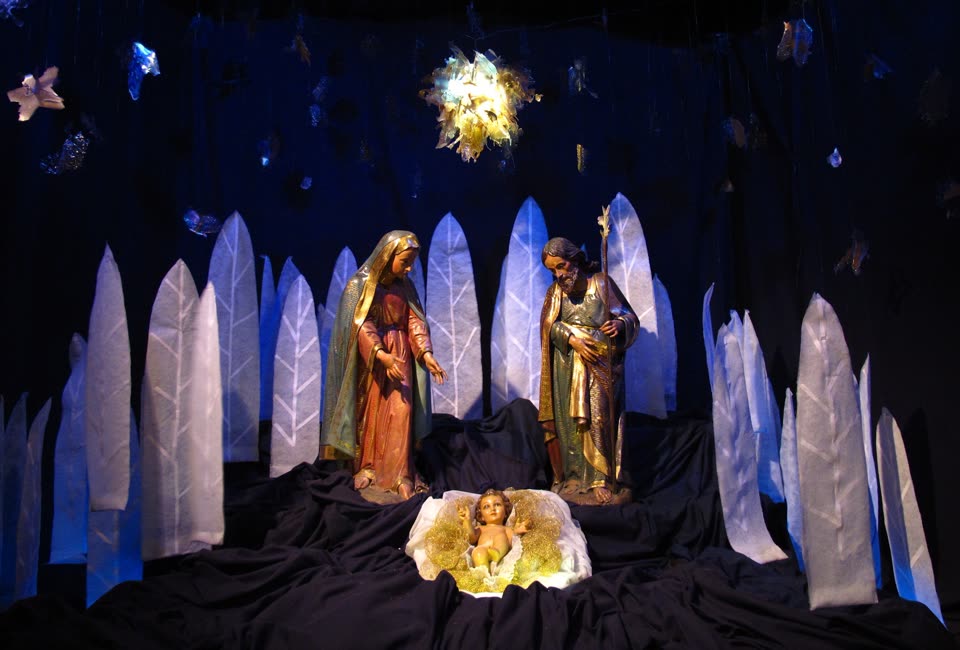
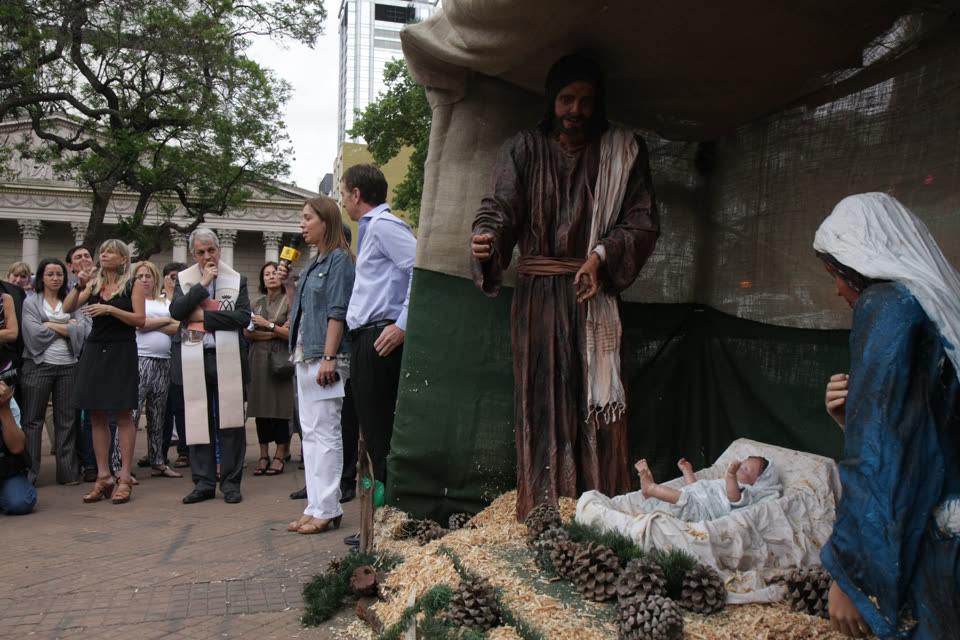
On the night of 5 January children leave their shoes out — «junto al pesebre o debajo del árbol de Navidad», by the nativity scene or under the Christmas tree — often with a letter tucked inside so Melchor, Gaspar and Baltasar can find it easily.
The camels are provided for as well: «Se acostumbra dejar agua y un plato con pasto o pan», water and a dish of grass or bread, in thanks for the work and to get them to the next house. The presents are there in the morning, which is the one night of the Argentine season that works the way a Northern Christmas does.
6 January is not a public holiday. La Nación says so — «esta fecha no recibe el reconocimiento de feriado nacional o día no laborable» — and the holidays law confirms it by leaving the date out of article 1 altogether.
It is a summer Christmas, and the menu does not admit it
December in Argentina is high summer — the Buenos Aires Herald puts it at «above 30 degrees in December (86°F)» — and the Christmas table ignores the fact completely. «Despite this, Christmas dinner is not usually a light meal. Quite the contrary: the more, the better.»
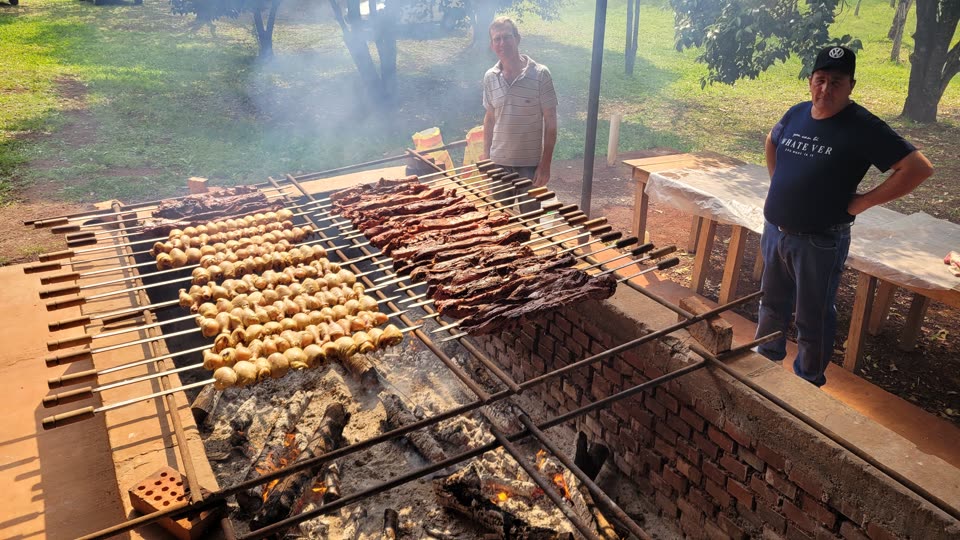
The compromise is in what gets cooked rather than in how much. Roast suckling pig with a salad garnish is the popular main, a Catalan tradition brought by Spanish immigrants; the starters are cold; dessert is fruit salad or ice cream. The one concession to the national habit is optional: «Bolder souls, braving the heat, will resort to the Argentine staple, an asado.»
And the leftovers have their own ritual the next day: on Christmas lunchtime, the Herald writes, «leftovers will get the Instagram treatment of a Michelin restaurant dish».
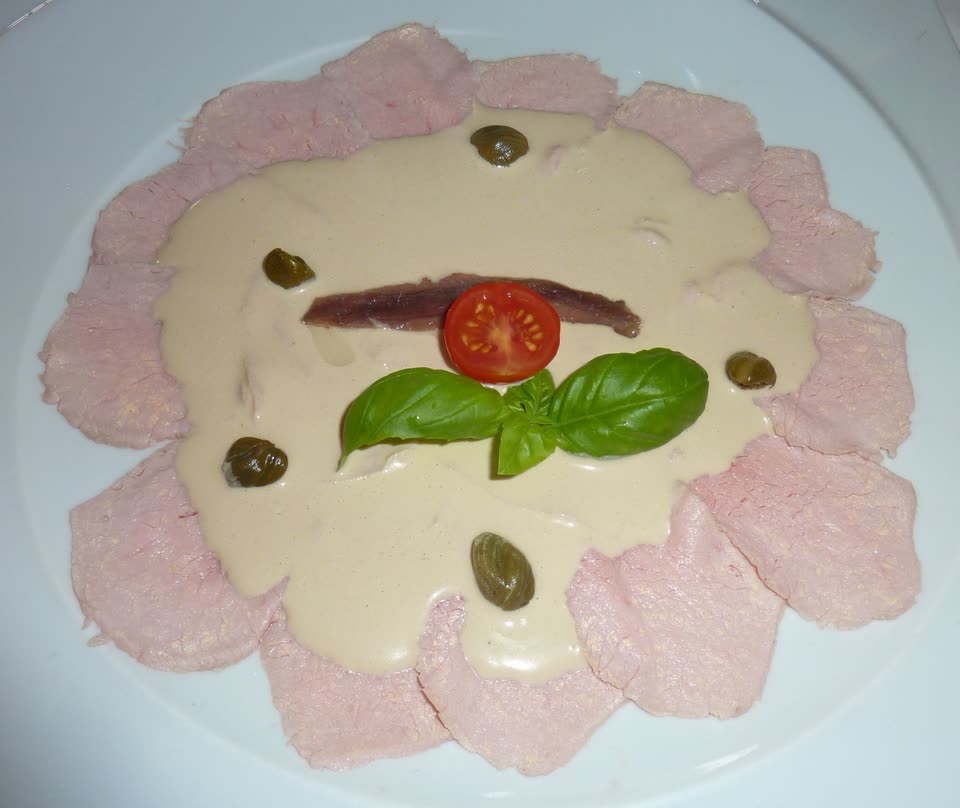
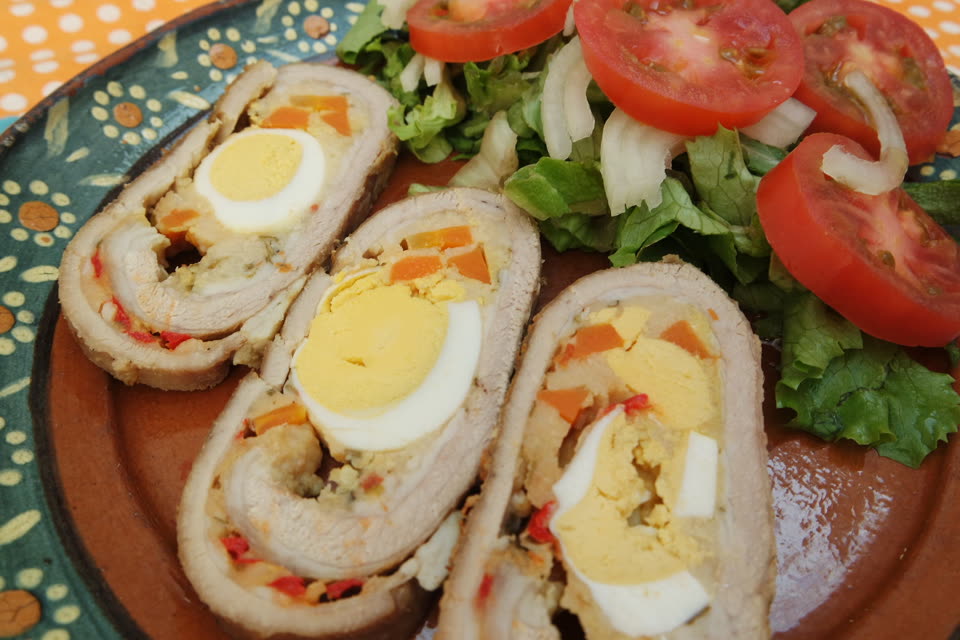
Cold roast veal, sliced thin and covered in a cold sauce of tuna, anchovy and mayonnaise, served before the main course and eaten almost nowhere else in the year. It is the one dish that is on practically every Argentine Christmas table.
It is Italian. La Nación: «Aunque localmente se haya afrancesado su nombre (muchos lo escriben thoné), esta receta proviene de Italia, donde se lo conoce como vittelo tonnato (ternera atunada)… Nacido en la zona del Piamonte». The name went through French on the way — vitello tonnato became vitel toné — and the recipe changed once in Argentina: originally there was no mayonnaise in it, the sauce emulsified on its own.
It is usually served with ensalada rusa — potato, carrot, peas and boiled egg in mayonnaise — and, as the Buenos Aires Herald observes, younger Argentines eat both «with a kind of retro irony».
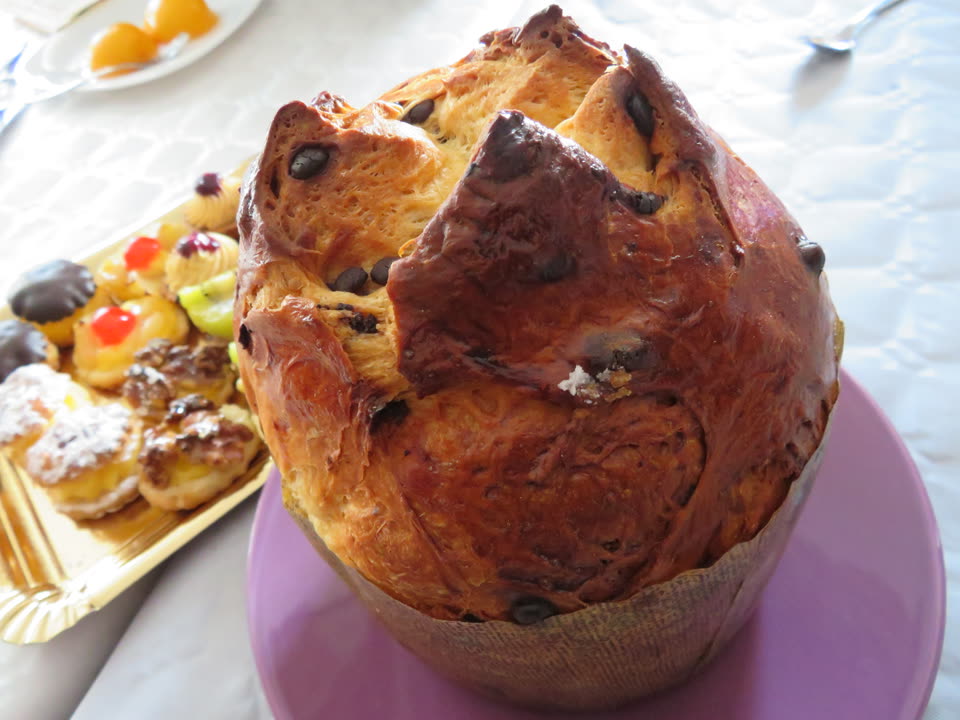
The sweet table's one indispensable thing, eaten after the midnight toast. It is panettone: La Nación calls it «el famoso panettone, nacido en Milán», and Argentina took it from the same Italian immigration that brought the vitel toné.
It is also the thing Argentines argue about. «Si bien el pan dulce es el emblema indiscutido de la mesa dulce navideña, también es objeto de múltiples reclamos. Es común escuchar frases como “no me gusta con frutos abrillantados, lo prefiero sin frutas secas”» — candied peel is the fault line, and bakeries are ranked on it every December.
With it, after midnight, come turrón, peanuts dipped in chocolate and garrapiñada, caramelised peanuts.
The rest of the table ensalada rusa, matambre, pavita, lechón, pionono
The canon is short and it repeats every year. La Nación lists it in one line: «vitel toné, ensalada rusa, matambre, pavita, lechón, pan dulce y turrones forman la base sobre la cual luego se montan las distintas versiones familiares. Todas recetas que provienen de distintos orígenes, especialmente italianos y españoles.»
Matambre is a thin flank cut rolled around vegetables and egg and eaten cold; pavita is turkey; lechón is suckling pig, the Spanish side of the inheritance. To that the Buenos Aires Herald adds what is on the table before anybody sits down: fresh tomatoes, deviled eggs, and pionono — a rolled sponge with a savoury filling, usually tuna and mayonnaise or ham and cheese.
It is an immigrant menu that has had a century to become national, which is why nothing on it is a dish anybody would call Argentine on any other day of the year.
Widely repeated claims about Christmas in Argentina that do not survive
checking. Each one says what is actually the case, because a correction
with nothing in its place leaves you worse off than before.
Oversimplified
Argentines have an asado for Christmas dinner.
What is actually the case. Some do, and the two sources that set out the Argentine Christmas table both treat it as the exception rather than the rule. The Buenos Aires Herald names roast suckling pig with a salad garnish as «a popular main course», a Catalan tradition brought by Spanish immigrants, and puts the barbecue in a separate sentence for the few: «Bolder souls, braving the heat, will resort to the Argentine staple, an asado.»
La Nación's list of the dishes that recur every year — «vitel toné, ensalada rusa, matambre, pavita, lechón, pan dulce y turrones» — has no asado in it at all. The Christmas canon is an Italian and Spanish immigrant menu, mostly cold, eaten at midnight; the asado is the rest of the Argentine year.
Ley 27.399 sorts the national holidays into two lists. The trasladables — Güemes, San Martín, 12 October, 20 November — are moved about deliberately to manufacture long weekends: «Los feriados nacionales trasladables… cuyas fechas coincidan con los días martes y miércoles serán trasladados al día lunes anterior. Los que coincidan con los días jueves y viernes serán trasladados al día lunes siguiente.»
Christmas is on the other list, the inamovibles, with New Year, Carnival, Good Friday, 1 May and 9 July. It stays where it falls, whatever that does to the week.
The same article lets the government add up to three more days a year purely to promote tourism, which is how Argentina ends up with a December holiday that has no name beyond «día no laborable con fines turísticos».
Two articles of the same holidays law do something a reader of the Christmas list would not expect. Article 2 makes the Jewish New Year, the Day of Atonement and the first and last two days of Passover non-working days «para todos los habitantes de la Nación Argentina que profesen la religión judía»; article 3 does the same for the Muslim New Year, the day after the end of the fast, and the Feast of the Sacrifice.
Article 4 adds the part that makes them real: anyone who does not work on those days «devengarán remuneración y los demás derechos emergentes de la relación laboral como si hubieren prestado servicio» — they are paid as though they had.
So the statute that fixes Christmas in place is also the one that lets a Jewish or Muslim Argentine take their own holidays without losing a day's wages.
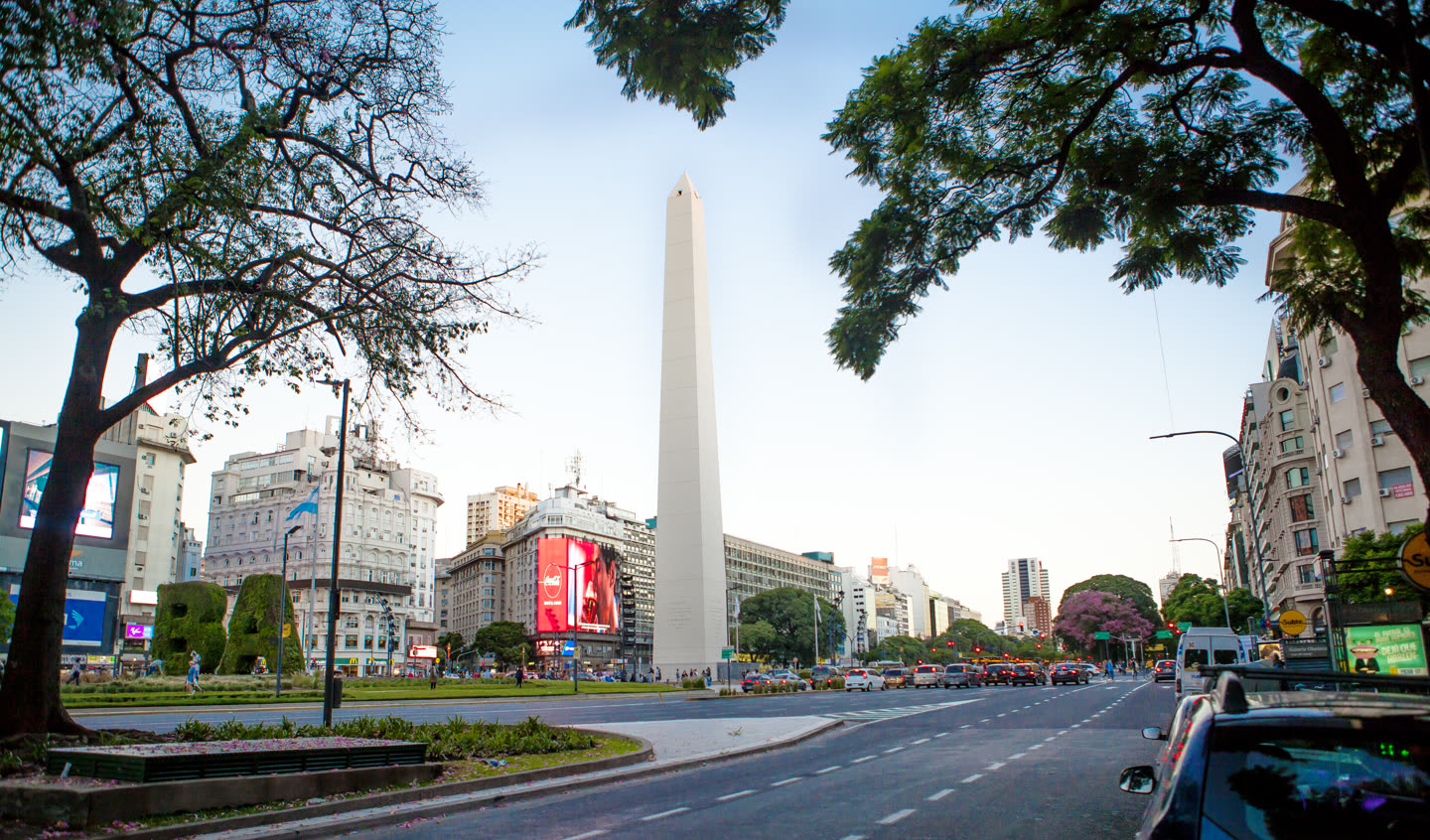
Christmas Day in Buenos Aires is a midsummer day: the Buenos Aires Herald gives December temperatures «above 30 degrees (86°F)», and the long family dinner is eaten in it, often outdoors, often late because the heat drops after nine.
The heat decides the rest of it. The tree goes up on a public holiday seventeen days earlier, because that is when everybody is at home; the starters are cold; the dessert is ice cream; and the gifts are opened at midnight, which in December in Argentina is the pleasantest hour of the day.
Del vitel toné a la pavita, el ritual de la mesa navideña — La Nación, 22 December 2012. Retrieved 2026-10-31.The quoted passage spells the Italian name «vittelo tonnato»; the Italian is vitello tonnato, and the page uses the correct form.
¿Cómo se festeja el Día de los Reyes Magos? — La Nación, 5 January 2024. Retrieved 2026-10-31. archived 21 February 2026«Durante la noche del 5 de enero, los más pequeños del hogar dejan sus zapatos junto al pesebre o debajo del árbol de Navidad.» The same article records that in Argentina the date «no recibe el reconocimiento de feriado nacional o día no laborable», which the holidays law confirms by omission.
«navidad», Diccionario de la lengua española, 24th edition — Real Academia Española and Asociación de Academias de la Lengua Española. Retrieved 2026-10-31. archived 25 May 2026The entry gives «En el mundo cristiano, festividad anual en la que se conmemora el nacimiento de Jesucristo», the day itself, and the season from Nochebuena to Reyes.